
If you own a rental property in the Chicago area, or the surrounding suburbs, few things are more frustrating than watching your listing sit on the market while another seemingly similar property rents almost immediately.
Many investors assume vacancies come down to luck or timing, but that is rarely the full story. In reality, leasing performance is usually tied to pricing, presentation, communication, property condition, local market demand, and how well the rental aligns with what renters in that specific area are actually looking for.
In a market as area-driven as Chicago, small differences matter. What works for a condo in West Loop may not work for a two-flat in Bridgeport or a single-family rental in Tinley Park. Understanding those differences is often what separates rental properties that lease quickly from those that sit vacant for weeks.
The first week of your listing matters the most
One of the biggest mistakes landlords make is assuming exposure happens evenly over time. It does not.
Most rental listings receive the highest amount of traffic during the first few days after they go live. That initial surge is when renters are deciding whether your property is worth touring, comparing it against competing apartments and rental units, and determining whether it feels like a good value.
If the price is too high, the photos are weak, or communication is delayed, demand drops quickly. Once that happens, the listing can become stale, often forcing landlords to lower the price later after already losing valuable time and rental income.
This is especially true in high-demand Chicago neighborhoods like Lakeview, Lincoln Park, and Wicker Park, where renters may review dozens of apartments in a single evening. If a property does not stand out immediately, renters simply move on.
In suburban markets like Bolingbrook, Naperville, and Orland Park, rental housing often moves at a different pace, but the same pattern still exists. Properties that generate strong activity early tend to lease faster and maintain stronger occupancy rates.
Overpricing is one of the biggest reasons rental properties sit vacant

Pricing is often the first issue when a unit or building struggles to attract renters.
Many property owners understandably want to maximize monthly rent, especially with rising taxes, insurance costs, utilities, and maintenance expenses throughout Illinois. The challenge is that renters are not evaluating your property in isolation. They are comparing it directly to everything else currently available in the local rental market.
In competitive Chicago areas, even being overpriced by $100 to $200 per month can dramatically reduce showing activity depending on inventory, supply, and demand.
This becomes especially noticeable in areas with many similar apartment units. A two bedroom apartment in River North may compete against dozens of nearby rentals offering newer amenities, parking, updated kitchens, or more flexible lease terms.
Suburban rental properties experience pricing pressure differently. Single-family homes may receive fewer total inquiries overall, which means overpricing can stretch vacancies even longer because the renter pool is naturally smaller.
One of the most common mistakes landlords make is relying too heavily on automated rent estimates. Online pricing tools can provide a starting point, but they often fail to account for condition, layout, updates, parking, school districts, or even which side of a neighborhood a property is located on.
Two rental units with the same bedroom count can perform very differently based on those details.
The strongest pricing strategies focus on where renter demand is highest, not simply the highest possible rent prices.
Poor listing photos quietly reduce demand
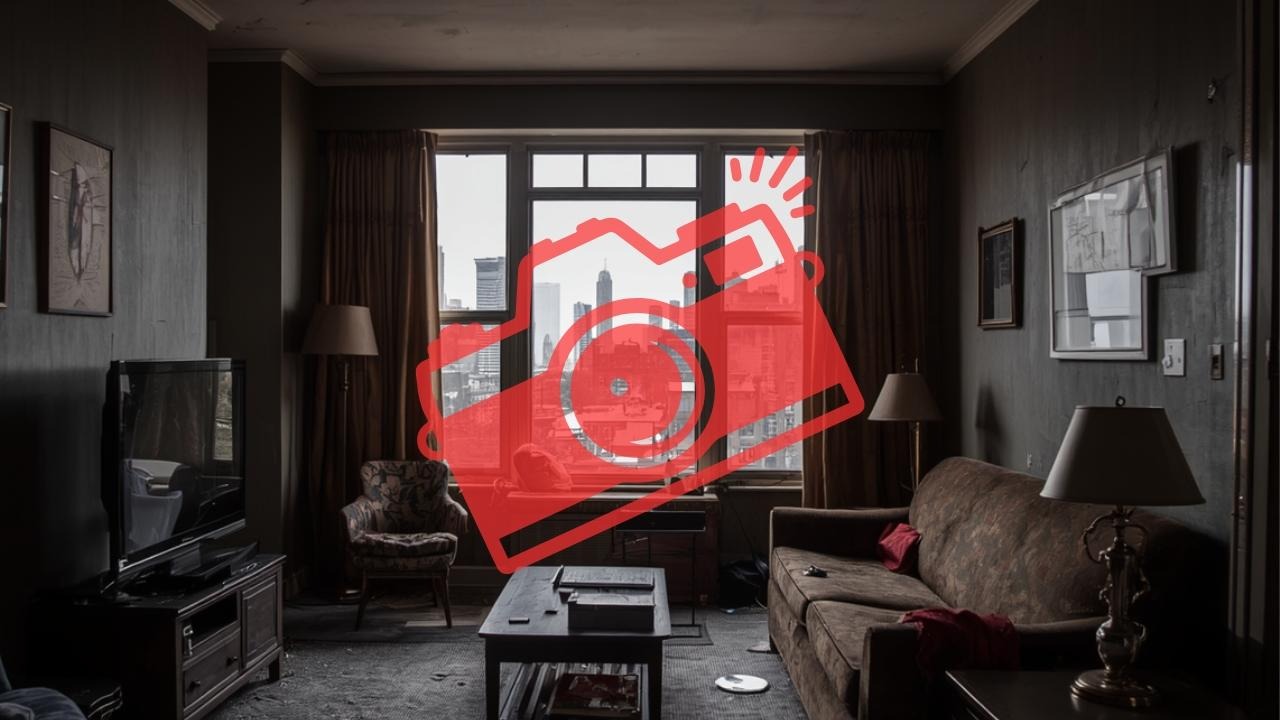
Many renters decide whether they want to tour a property before they even read the description.
That means listing photos play a major role in leasing performance.
Dark rooms, cluttered spaces, poor angles, and low-quality phone photos can immediately hurt interest levels, even if the property itself shows well in person. In fast-moving Chicago rental markets, renters often scroll through apartments quickly and make decisions within seconds.
This is especially important in neighborhoods attracting younger professional renters, including West Loop, Lincoln Park, Wicker Park, and Logan Square. Renters in these neighborhoods expect listings to feel polished and professionally presented.
Suburban renters may focus more heavily on practical features like garages, yard space, storage, and layout functionality, but presentation still matters just as much. Clear, well-lit photos help renters picture themselves living in the property, which increases inquiries and showing requests.
Slow communication causes landlords to lose qualified renters

Today’s renters move quickly.
Many schedule multiple tours in a single day and submit applications within hours of finding a rental they like. If communication is slow or scheduling becomes difficult, renters move on immediately.
This becomes especially noticeable during Chicago’s busiest leasing season, which typically ramps up during late spring and summer. In many neighborhoods, competitively priced rental units can generate multiple inquiries within the first 24 to 48 hours.
Delayed communication often kills that momentum.
Strong leasing systems matter because they create consistency. Fast follow-up, flexible showing coordination, and efficient application processing all directly affect how long a property stays vacant.
Why Chicago’s rental market moves faster in spring and summer

Chicago’s rental market is highly seasonal, especially for apartments and smaller rental housing throughout the city.
Leasing activity typically increases between May and September as renters relocate for jobs, school, and lifestyle changes. During these months, properties in high-demand neighborhoods can lease within days if they are priced correctly and marketed well.
During slower winter months, however, even strong rental properties may sit longer depending on market conditions, supply, and renter demand.
This seasonal shift affects everything from pricing strategy to occupancy rates. Owners who understand those patterns are often able to reduce vacancies and maintain stronger rental income throughout the year.
Walkable neighborhoods with access to restaurants, nightlife, and public transportation often move fastest during peak leasing season, particularly in areas like Lakeview, Lincoln Park, West Loop, and Wicker Park.
Suburbs around Chicago are also seeing increased renter demand, especially in areas offering newer housing stock, walkable developments, and easier access to transportation.
Property condition matters more than luxury upgrades
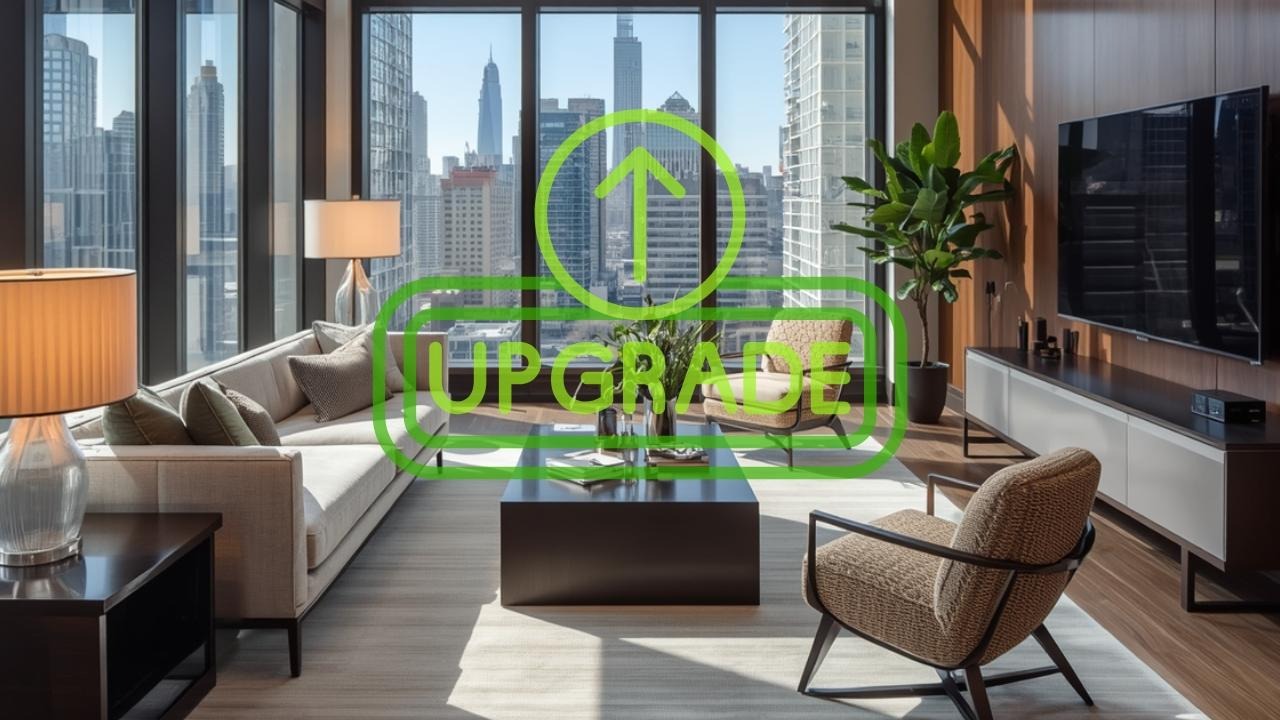
Many landlords assume expensive renovations are the key to attracting renters, but that is not always true.
In many Chicago neighborhoods, renters care more about cleanliness, maintenance, and overall condition than ultra-luxury finishes.
Fresh paint, updated lighting, clean flooring, functional appliances, and a well-maintained bathroom often have a bigger impact than high-end upgrades alone.
This is especially true in neighborhoods like Avondale, Bridgeport, Bronzeville, and Pilsen, where renters are often prioritizing value, location, and functionality over luxury amenities.
Suburban renters tend to pay closer attention to curb appeal, garages, storage space, and overall property upkeep. Deferred maintenance, damaged flooring, or unfinished repairs can create hesitation immediately during showings.
Renters often interpret property conditions as a reflection of how responsive the landlord or property manager will be after move-in.
Certain amenities now strongly influence demand

Many renters today prioritize functionality over luxury.
Features like in-unit laundry, central air conditioning, dishwashers, parking, updated kitchens, and extra storage space often have a direct impact on leasing speed and occupancy rates.
In competitive Chicago neighborhoods, these amenities can significantly reduce vacancies because renters are comparing multiple apartments and rental units at once.
This becomes especially noticeable in areas with newer apartment construction, where renters have become accustomed to convenience-focused amenities and updated living spaces.
Properties lacking expected features may struggle even if rent prices appear competitive compared to nearby listings.
Restrictive policies can shrink your renter pool

Sometimes vacancy is caused less by the property itself and more by the leasing restrictions surrounding it.
Policies that are significantly stricter than competing rentals can quietly reduce demand. This often includes no-pet policies, unusually high income requirements, inflexible move-in dates, limited showing availability, or excessive application requirements.
In some Chicago condo buildings, excessive HOA move-in and move-out fees can also become a major deterrent for renters, especially when competing properties have lower upfront costs and fewer restrictions.
A large percentage of renters now have pets or are actively searching for pet-friendly rental housing, especially in neighborhoods popular with younger professionals. In many Chicago neighborhoods, restrictive pet policies can dramatically reduce the potential renter pool.
That does not mean every property should allow pets, but owners should understand the tradeoff between reducing risk and increasing vacancies.
The same applies to showing flexibility. If renters can only tour a property during narrow time windows, activity naturally decreases.
Vacancy becomes expensive very quickly

Many property owners focus heavily on monthly rent but underestimate how expensive vacancies actually are.
A property listed at $2,500 per month loses roughly $82 per day sitting vacant. Add mortgage payments, utilities, taxes, maintenance coordination, cleaning, and turnover costs, and the financial impact becomes significant very quickly.
Vacancies also create another issue. Once listings sit too long, renters often assume something is wrong with the property, even when there is not.
This is why pricing strategy matters so much. Sometimes leasing slightly below your target rate produces a better financial outcome than holding out for weeks while the property sits empty.
Reducing vacancy is often more valuable than squeezing every last dollar out of monthly rent.
Chicago’s rental market remains competitive despite affordability challenges

Chicago continues to maintain relatively strong rental housing demand compared to many major metro areas.
While market conditions vary by neighborhood, vacancy rates across many Chicago rental markets remain lower than the national average, especially in walkable neighborhoods and high-demand suburbs.
At the same time, affordability continues to play a major role in renter decision-making. Rising housing costs, insurance expenses, and inflation have made renters increasingly selective about where and how they spend money.
This has created growing pressure on affordable housing throughout Chicago and the surrounding region. Lower income households are facing fewer affordable units than they did a decade ago, while many newer developments continue targeting higher-income renters.
For landlords, this means understanding relative affordability has become increasingly important when pricing rental units and evaluating market demand.
Experience matters when leasing rental property

Properties that lease quickly usually have several things working together:
accurate pricing
strong presentation
responsive communication
realistic policies
efficient showings
proper market timing
That process is rarely accidental.
At Landmark Property Management, we have spent years leasing and managing rental properties throughout Chicago and the surrounding suburbs, and certain patterns become very clear over time. Some upgrades consistently improve leasing speed. Some pricing strategies create stronger demand. Certain neighborhoods move significantly faster during specific parts of the year.
Jason Marcordes, Managing Broker and founder of Landmark Property Management, started the company in 2014 after already working within the Chicagoland property management industry for years. Over the past decade, he has managed thousands of residential and commercial properties across a wide range of neighborhoods, property types, and market conditions.
That level of experience matters because every rental market behaves differently. Leasing a condo in Lincoln Park is not the same as leasing a single-family home in Plainfield or a multi-unit property in Bridgeport. Understanding renter behavior, market conditions, pricing strategy, and seasonal demand helps eliminate much of the guesswork that causes properties to sit vacant longer than necessary.
If you are unsure whether your building or unit is positioned correctly, sometimes a second opinion on pricing, presentation, or leasing strategy can make a major difference before the listing loses momentum.
Final thoughts
Vacancy is rarely caused by just one issue.
More often, it is several smaller factors working together. Slight overpricing, weak listing photos, delayed communication, restrictive policies, poor property condition, or poor timing can all reduce renter demand faster than many owners realize.
The good news is that most of these issues are fixable once they are identified.
At Landmark Property Management, we spend a significant amount of time analyzing why some rental properties outperform others throughout Chicago and the surrounding suburbs. Small adjustments in pricing, marketing, presentation, and leasing strategy can dramatically improve leasing speed and the quality of tenants a property attracts.
If your rental property has been sitting longer than anticipated, or if you simply want a clearer understanding of how it compares to the current Chicago rental market, we are always happy to walk through it with you.
Whether you own one rental property or a growing portfolio, having the right leasing strategy can make a major difference in vacancy, tenant quality, and long-term performance.
FAQs
Why is my rental property not renting?
Most rental properties sit vacant because of pricing, poor presentation, weak communication, restrictive policies, or poor market timing. In competitive Chicago neighborhoods, even small pricing differences compared to nearby apartments can dramatically reduce demand.
What is a good vacancy rate for rental property?
Vacancy rates vary by market, but lower vacancy rates generally indicate stronger renter demand and healthier occupancy rates. In competitive Chicago neighborhoods, well-positioned rental units often lease quickly during peak leasing season.
Why do landlords leave apartments vacant?
Some owners hold out for higher prices or stricter tenant requirements, but extended vacancies often become more expensive than leasing slightly below the target rate.
How long does it take to rent a property in Chicago?
During peak leasing season, competitively priced apartments and rental units in high-demand neighborhoods may rent within days. Properties listed during slower winter months or priced above market may take significantly longer.
What is a vacancy rate?
A vacancy rate measures the percentage of time a rental, apartment, or housing unit remains unoccupied compared to the total rentable days available throughout the year. Lower vacancy rates generally indicate stronger renter demand and healthier market conditions.
Why do some apartments in Chicago rent faster than others?
Apartments in Chicago typically rent faster when they are competitively priced, professionally presented, well-maintained, and listed during peak leasing season. Features like in-unit laundry, air conditioning, parking, and walkable neighborhoods can also significantly increase renter demand and reduce vacancies.
Does seasonality affect the Chicago rental market?
Yes. Chicago’s rental market is highly seasonal, with the strongest demand typically occurring between May and September. During peak leasing season, many rental units and apartments may lease within days, while winter months often bring slower activity and longer vacancies.
What amenities help rental properties lease faster?
Certain amenities consistently reduce time on market, especially in competitive Chicago neighborhoods. In-unit laundry, central air conditioning, parking, updated kitchens, outdoor space, and proximity to public transportation are often considered must-have features for many renters today.
Why do overpriced rental properties stay vacant?
Overpriced rental properties often receive fewer inquiries because renters compare listings directly against competing apartments and rental housing nearby. Even slightly overpricing a unit can reduce showing activity and increase vacancies, especially in neighborhoods with a large housing supply.
Are Chicago renters becoming more price-sensitive?
Yes. Rising housing costs, inflation, and affordability concerns have made many renters more selective about pricing and monthly expenses. Lower income households are facing increasing challenges finding affordable housing, especially in neighborhoods where newer developments continue pushing rent prices higher.
Why are some Chicago neighborhoods seeing stronger renter demand?
Neighborhoods with walkable amenities, restaurants, public transportation access, and newer housing stock often maintain stronger renter demand and lower vacancy rates. Areas like Lincoln Park, West Loop, and Lakeview continue attracting renters looking for convenience and lifestyle-focused living.




.png)