As office vacancy continues to rise across Chicago, many property owners are seeing the same pattern.
Office space is sitting longer. Leasing activity has slowed. And expectations around pricing have shifted significantly compared to just a few years ago.
Across the Chicago office market, rising office vacancies and vacant office space are forcing building owners to rethink how their properties are used.
For some, that means considering a different strategy altogether: office to residential conversion in Chicago.
The idea is simple.
Take empty office buildings and convert them into residential units to help address the city’s ongoing housing shortage.
But while office to residential conversion is getting a lot of attention, the reality is far more specific—and far more selective—than most headlines suggest.
Why Office to Residential Conversion Is Increasing in Chicago
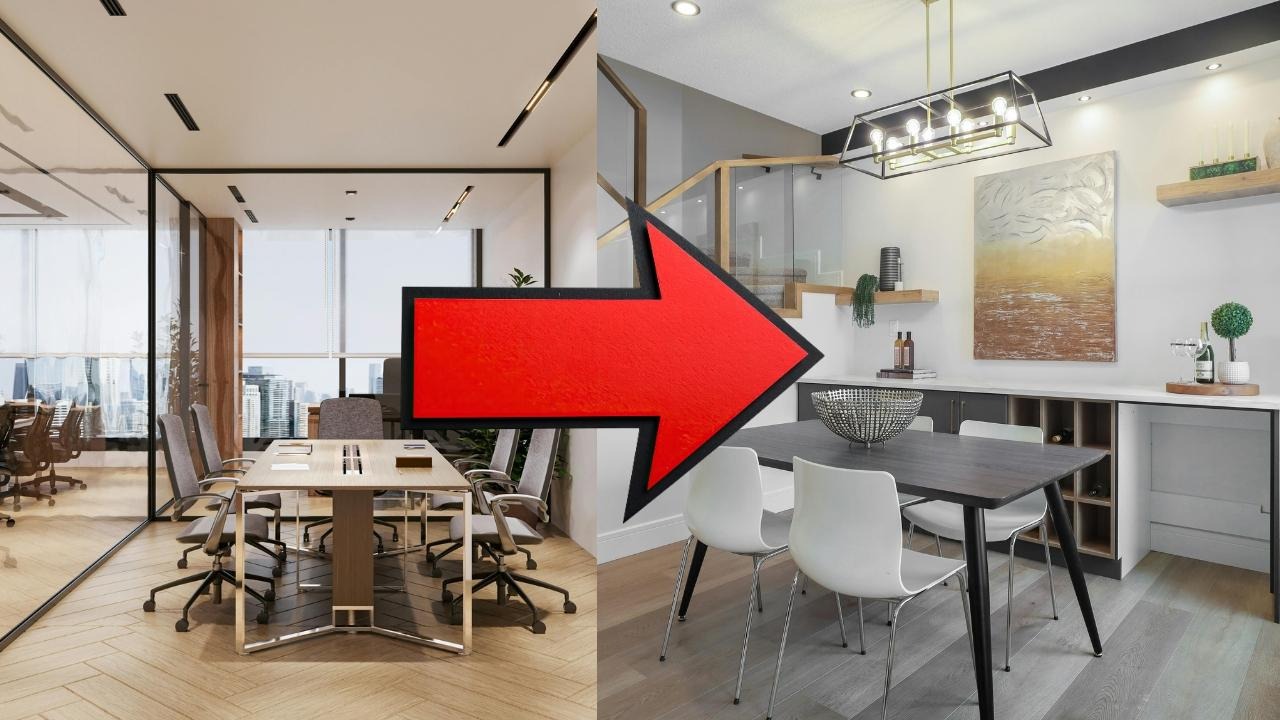
The increase in office conversions is being driven by two major shifts happening at the same time.
First, the demand for office space has changed.
Many office tenants have reduced their footprint due to remote and hybrid work, leaving vacant office buildings and underutilized commercial real estate space, particularly in downtown areas.
Second, demand for residential housing remains strong.
Chicago continues to face a housing shortage, especially for renters. High mortgage rates have kept more people in the rental market, increasing demand for multifamily housing, rental units, and residential apartments.
This imbalance—between vacant office space and growing demand for housing—has made office to residential conversion Chicago projects more appealing.
Chicago’s Push to Convert Empty Office Buildings
Chicago has become one of the most active cities in the country for office to residential conversion.
In 2024, the city led the nation in apartment conversions, driven largely by efforts to repurpose underutilized office buildings in the Loop and surrounding downtown areas. A significant portion of these conversion projects are focused on affordable housing, with many developments required to meet specific affordability thresholds tied to area median income.
This reflects a broader push by city leaders to address both rising office vacancies and the need for additional housing, particularly in areas that have struggled to recover foot traffic and occupancy since 2020.
Through the LaSalle Street Reimagined initiative, the city aims to convert underutilized office buildings into more than 1,600 housing units, including a mix of market-rate and affordable housing tied to area median income requirements.
To support these office conversion projects, local governments and city leaders are offering:
Tax Increment Financing (TIF)
Historic tax credit equity
Additional financial incentives for projects that include affordable or senior housing
These programs are designed to bring new life to empty buildings and increase overall housing supply in the central business district.
Key Adaptive Reuse Projects and Where It Is Happening in Chicago
Adaptive reuse is not just a concept in Chicago. It is already happening in very specific buildings and corridors across the city.
The most notable example is the LaSalle Street Reimagined initiative, a major city-led effort focused on converting aging office buildings in the Loop into mixed-income housing. Projects like 208 South LaSalle Street and 30 North LaSalle Street highlight how historic office buildings are being repositioned to support residential use and bring activity back to the financial district.
There are also several large-scale individual conversion projects underway. At 111 West Monroe Street, a $200+ million redevelopment is transforming a former office building into more than 300 residential apartments in the heart of downtown. Nearby, 79 West Monroe Street is being converted into over 100 residential units, showing how multiple buildings in the same corridor are being repositioned at the same time.
Outside of the Loop, adaptive reuse is taking different forms. Projects like The Plant in the Stockyards district demonstrate how older industrial and commercial buildings can be repurposed into entirely new uses, including food production and business incubation. In areas like Fulton Market, historic warehouses and industrial properties have been consistently redeveloped into mixed-use spaces that combine residential, office, and retail.
These projects highlight an important point.
Conversion is not happening everywhere.
It is highly targeted, focused on specific buildings, and often supported by strong location fundamentals or city-backed incentives.
The Reality: Most Office Buildings Cannot Be Converted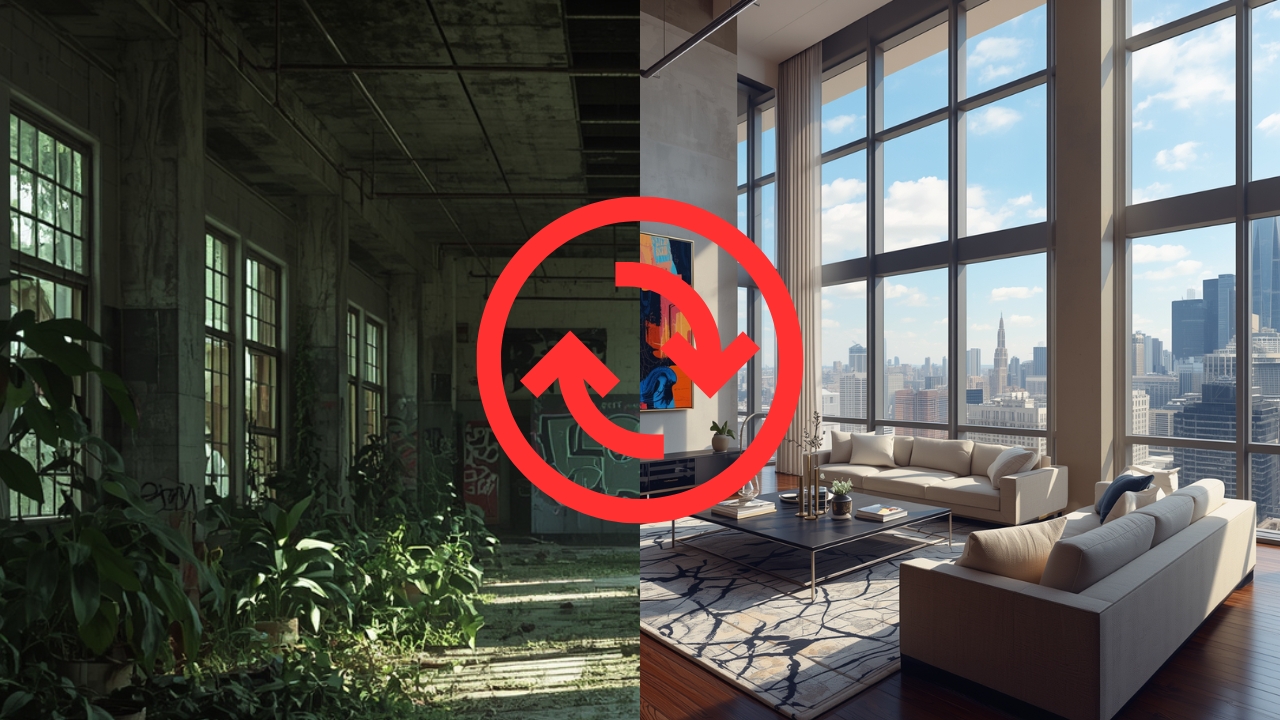
Despite the growing interest in adaptive reuse, most office buildings are not good candidates for residential conversion.
Many office buildings lack the physical characteristics needed to support residential use.
To successfully convert office buildings into residential buildings, properties typically need:
Narrow floor plates that allow for natural light
Window access that supports livable unit layouts
Structural systems that can accommodate plumbing
Ceiling heights that meet residential building codes
Many newer office buildings have deep floor plans that make it difficult to create functional housing units.
This is why only a small percentage of existing office buildings are viable for office to residential conversion.
In reality, vacancy alone does not make a building a good candidate.
Key Challenges in Office to Residential Conversion in Chicago
Zoning, Building Codes, and Approval Process
Converting an office property into residential use in Chicago requires navigating a complex regulatory process.
This includes:
Zoning approvals or variances
Compliance with Chicago building codes
Residential standards for light, ventilation, and egress
ADA accessibility requirements
In many cases, obtaining approvals for building conversions can take months or even years.
Construction Costs and Conversion Costs
One of the biggest barriers to office conversions is cost.
Conversion costs in Chicago can range significantly, often between $150–$300+ per square foot, depending on the building and scope of work.
These costs include:
Structural modifications
Plumbing and electrical upgrades
HVAC redesign
Full interior buildout for residential units
In some cases, the cost of converting office space approaches or exceeds new construction.
Financial Feasibility and Incentives
Most office to residential conversion Chicago projects rely heavily on financial incentives.
Without programs like:
Historic tax credit
Tax increment financing (TIF)
Affordable housing subsidies
many conversion projects would not be financially viable.
The gap between construction costs and achievable apartment rents is often too large without support.
Timeline and Holding Costs
Office conversion projects are long-term investments.
From planning to completion, many projects take 2–4 years before generating income.
During that time, property owners must continue to carry:
Property taxes
Insurance
Maintenance costs
Debt service
For owners already dealing with vacant office space, this can be a significant risk.
What Types of Office Buildings Are Actually Being Converted
In Chicago, most successful office conversion projects share similar characteristics.
They are typically:
Located in the Loop or central business district
Older office buildings with outdated layouts
Structurally adaptable to residential use
Underperforming in the current office market
Many of these are historic office buildings, which allows developers to take advantage of historic tax credit equity.
These adaptive reuse projects often result in:
Mixed-income housing
Affordable housing units
Revitalized downtown buildings
When Office to Residential Conversion Makes Sense
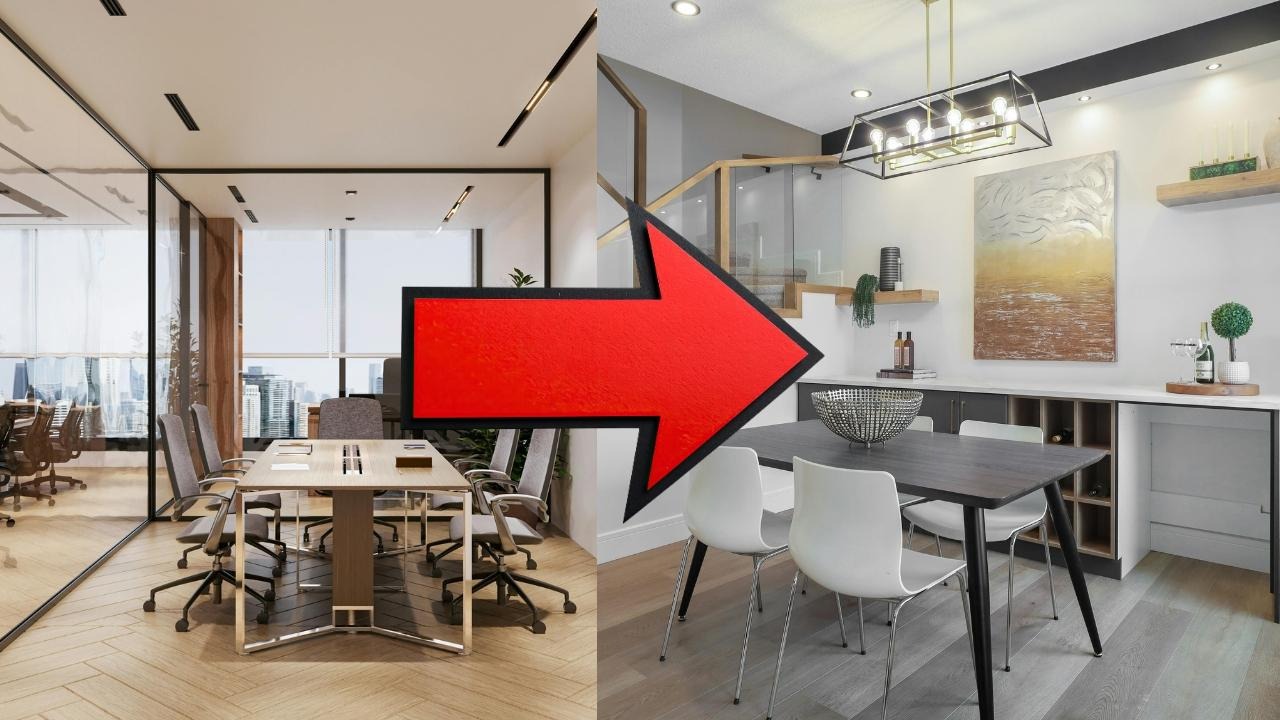
For some building owners, conversion can be a viable strategy.
It may make sense when:
Office vacancies have persisted for 12+ months
The building is no longer competitive in the office market
The structure supports residential conversion
Financial incentives are available
In these situations, converting vacant office buildings into residential apartments can create long-term value and stabilize the asset.
When Office Conversion Is Not the Right Strategy
For many property owners, conversion is not the best solution.
It may not make sense if:
The property still attracts office tenants
The building is not physically suited for residential use
Conversion costs exceed potential returns
Short-term cash flow is needed
In many cases, the issue is not the building itself.
It is how the office space is positioned in the current office market.
Alternative Strategies Before Converting Office Buildings
Before pursuing office to residential conversion, many property owners can improve performance through repositioning.
In Chicago, this often means adapting to how tenants are using space today.
Effective strategies include:
Updating interiors to meet modern expectations
Adjusting lease terms and pricing
Targeting smaller or hybrid office tenants
Improving marketing and visibility
Even with rising office vacancies, well-positioned office buildings are still leasing.
The Bigger Role of Adaptive Reuse in Chicago
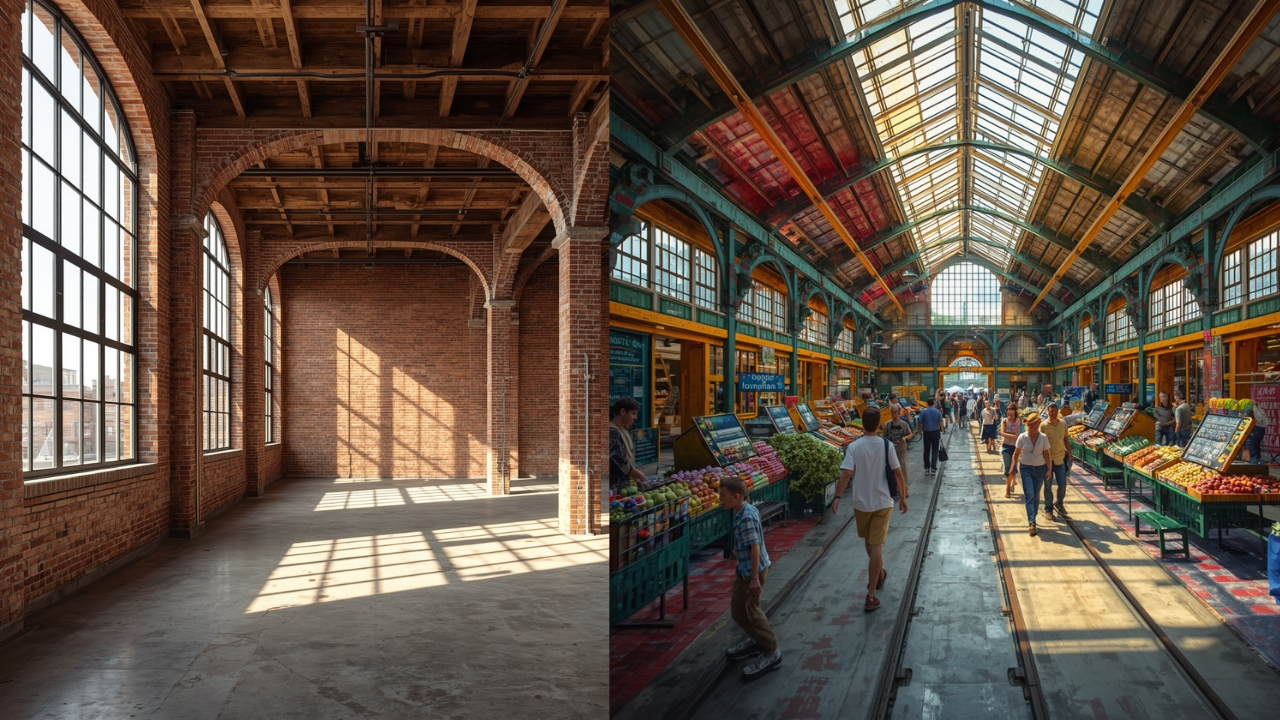
Adaptive reuse is becoming a targeted strategy in Chicago’s urban development.
The goal is not to eliminate office space.
It is to:
Reduce underutilized buildings
Increase housing supply
Revitalize key downtown areas
While office to residential conversion is one part of the solution, it is not a citywide fix.
It is focused on specific buildings, in specific locations, under specific conditions.
Final Thoughts
Office to residential conversion in Chicago is a real and growing trend.
But it is not a universal solution for empty office buildings.
It works best for older, underperforming properties that meet specific structural and financial criteria.
For most property owners, the decision comes down to one question:
Is the building no longer viable as office space?
Or is it simply not positioned correctly in today’s market?
Understanding that difference is what leads to the right strategy.
Work With a Team That Understands the Chicago Market
If your office space has been sitting vacant or underperforming, now is the time to take a closer look at why.
In today’s Chicago market, longer vacancy is often not just a result of demand. It is a reflection of how a property is priced, presented, and positioned compared to competing spaces.
At Landmark Property Management, we work with Chicago property owners to identify gaps in pricing, marketing, and overall strategy, then implement targeted changes that improve leasing activity and reduce vacancy.
That includes evaluating your property against current market conditions, analyzing comparable listings, and adjusting your approach to better align with what tenants are actually looking for today.
Schedule a conversation with our team to get a clear, data-driven plan for your property and a better understanding of how it can perform in this market.



.png)