
As Chicago enters the spring leasing season, many property owners start asking the same question.
How long does it take to rent a property in Chicago right now?
In today’s Chicago market, most well-priced rental properties lease within two to four weeks during spring and early summer. However, if pricing, marketing, or timing is off, that timeline can quickly stretch to six weeks or longer, increasing vacancy and reducing overall returns.
Spring and summer are the busiest months in the Chicagoland rental market, when many renters begin searching for apartments and rental homes across the city. Warmer weather, job relocations, and college graduations all contribute to increasing demand during this period.
For Chicago landlords and property owners, understanding how the rental market behaves this time of year is key to minimizing vacancy and maximizing rent.
What the 2026 Chicago Rental Market Looks Like Right Now
The Chicago rental market in 2026 continues to show steady rent trends and strong demand, especially compared to other major cities.
Several key factors to watch that are shaping the rental real estate market:
Limited new construction is keeping inventory tight
Vacancy rates remain relatively low, around the upper 4 percent range
Higher mortgage rates are keeping renters out of homeownership
Demand continues to spread into both the city and surrounding suburbs
As a result, rental properties that are priced correctly and marketed well are still leasing quickly. If your property is underperforming in Chicago consider reading our blog on this topic.
For property owners, this creates a strong opportunity to benefit from continued rental demand while maintaining stable occupancy.
Average Days on Market for Chicago Rental Properties

During peak leasing season, most Chicago rental properties lease within two to four weeks.
Some apartments rent even faster in high demand neighborhoods like Lincoln Park, Lakeview, and River North, especially when they offer strong amenities, updated interiors, and good transit access.
However, properties that are overpriced or poorly marketed can sit for six weeks or longer, even in a strong rental market.
Several factors influence leasing speed:
rental pricing compared to nearby apartments
property condition and maintenance
listing photos and marketing strategy
showing availability
tenant screening process
neighborhood demand
If your property has been sitting on the market for more than 30 days during peak leasing season, it is usually a sign that pricing or marketing needs to be adjusted.
Why Spring and Summer Are the Fastest Leasing Seasons in Chicago

The Chicago rental market follows a consistent seasonal pattern every year.
Demand begins increasing in March, peaks between May and July, and slows as fall approaches.
This happens because:
A lot of renters wait for warmer weather before moving
job relocations increase in spring and early summer
recent graduates enter the rental market
more renters begin actively searching at the same time
This creates a surge of many renters competing for available apartments, especially in neighborhoods with strong walkability, transit access, and proximity to local businesses.
For landlords, this is the best time of year to find qualified tenants and reduce vacancy.
Neighborhood Demand Can Influence Leasing Speed
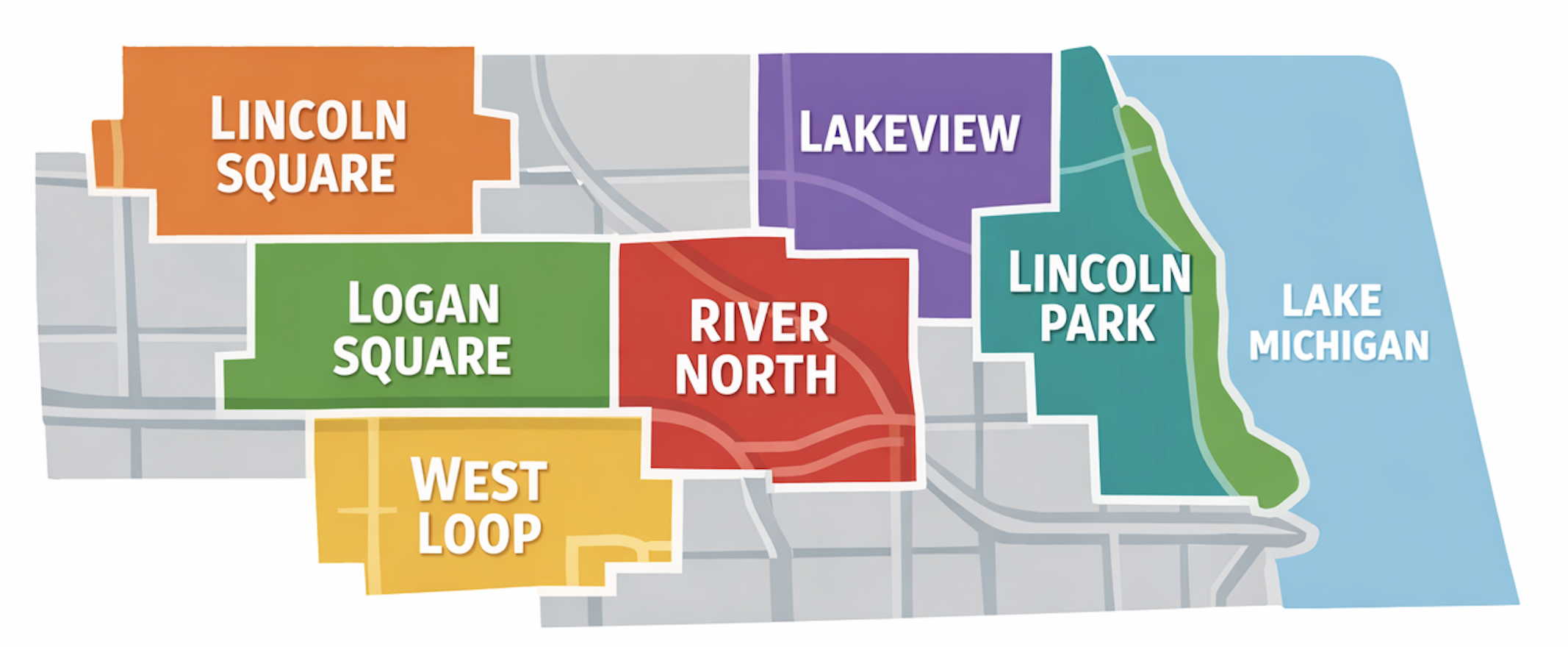
Location plays a major role in how quickly a rental property leases.
Neighborhoods with strong walkability, access to public transportation, and nearby amenities consistently perform well in the Chicago rental market.
High demand areas include:
Lincoln Park
Lakeview
River North
Logan Square
Lincoln Square
West Loop
These neighborhoods attract renters because of their lifestyle appeal, proximity to local businesses, and easy access to transit. Here is a list we recommend as the best neighborhoods to invest in Chicago.
At the same time, demand is expanding beyond the city into suburbs like Naperville, Evanston, and Oak Park, where renters can find more space and newer developments.
Chicago Rental Prices and Rent Trends in 2026
Rental pricing is one of the biggest factors affecting how quickly a property leases.
The Chicago rental market continues to show moderate rent growth in 2026, with average rent levels around the $2,000 range depending on property types and location.
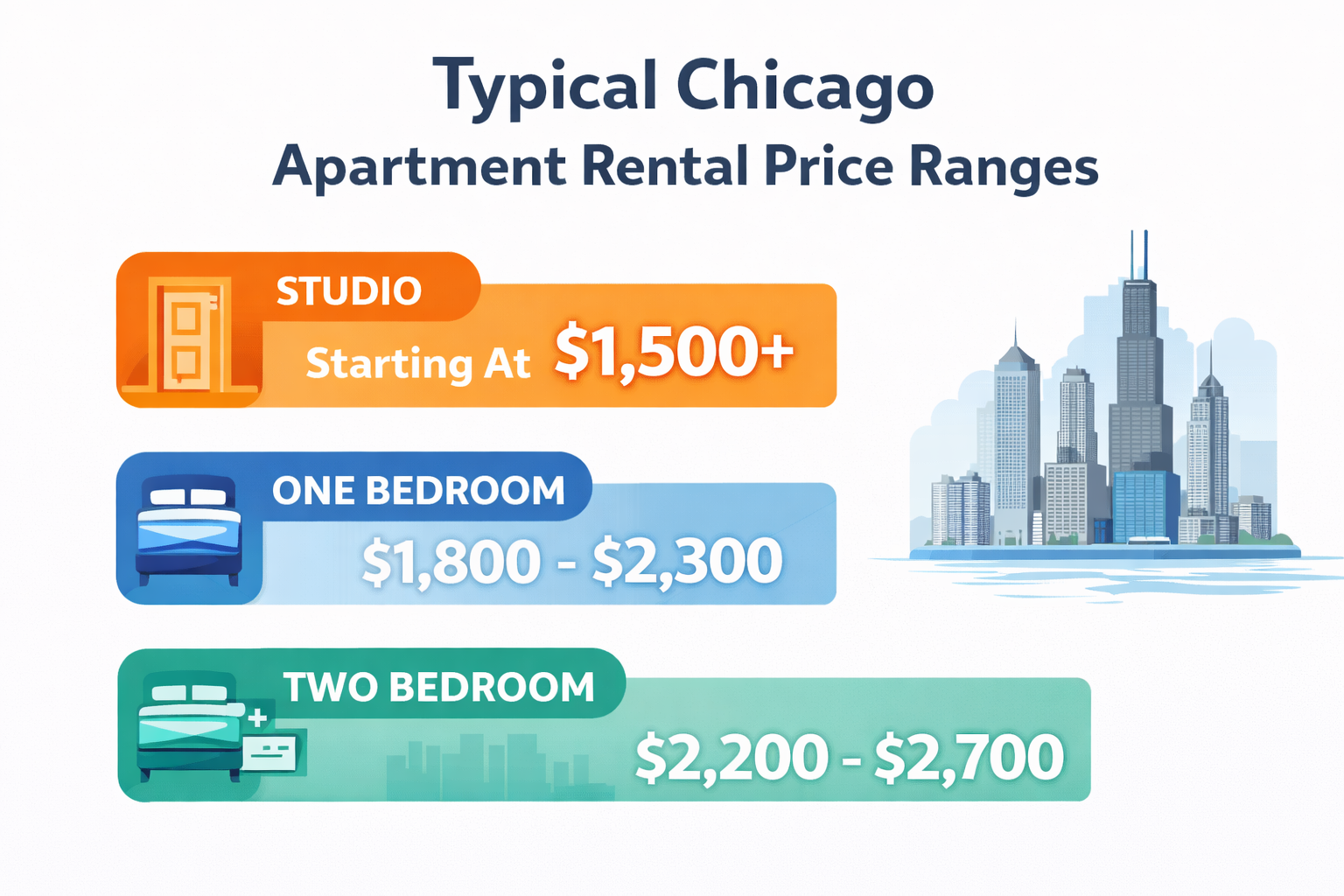
Typical ranges include:
studio apartments often starting around $1,500+
one bedroom apartments ranging roughly from $1,800 to $2,300
two bedroom apartments often ranging from $2,200 to $2,700
These numbers vary by neighborhood, building type, and amenities.
Limited new inventory and continued renter demand are contributing to rising rent, especially in well located buildings.
Even so, pricing too high can significantly slow leasing.
Even one extra month of vacancy can cost property owners thousands in lost rent, which is why accurate pricing is critical.
If you need help determining pricing, this guide breaks it down:
https://www.chicagospropertymanagement.com/blog/how-to-set-the-right-price-for-your-chicago-rental-property
Property Condition, Amenities, and Lifestyle Also Matter
Today’s renters are not just looking for a place to live. They are looking for a property that fits their lifestyle.
Many people prioritize:
updated kitchens and bathrooms
clean, well maintained buildings
modern amenities
natural light and functional space
room for a home office
reliable internet and utilities
Apartments that align with these preferences tend to attract more attention and lease faster.
Smaller boutique buildings and properties with unique character are also gaining popularity among renters.
Marketing Strategy Can Reduce Vacancy
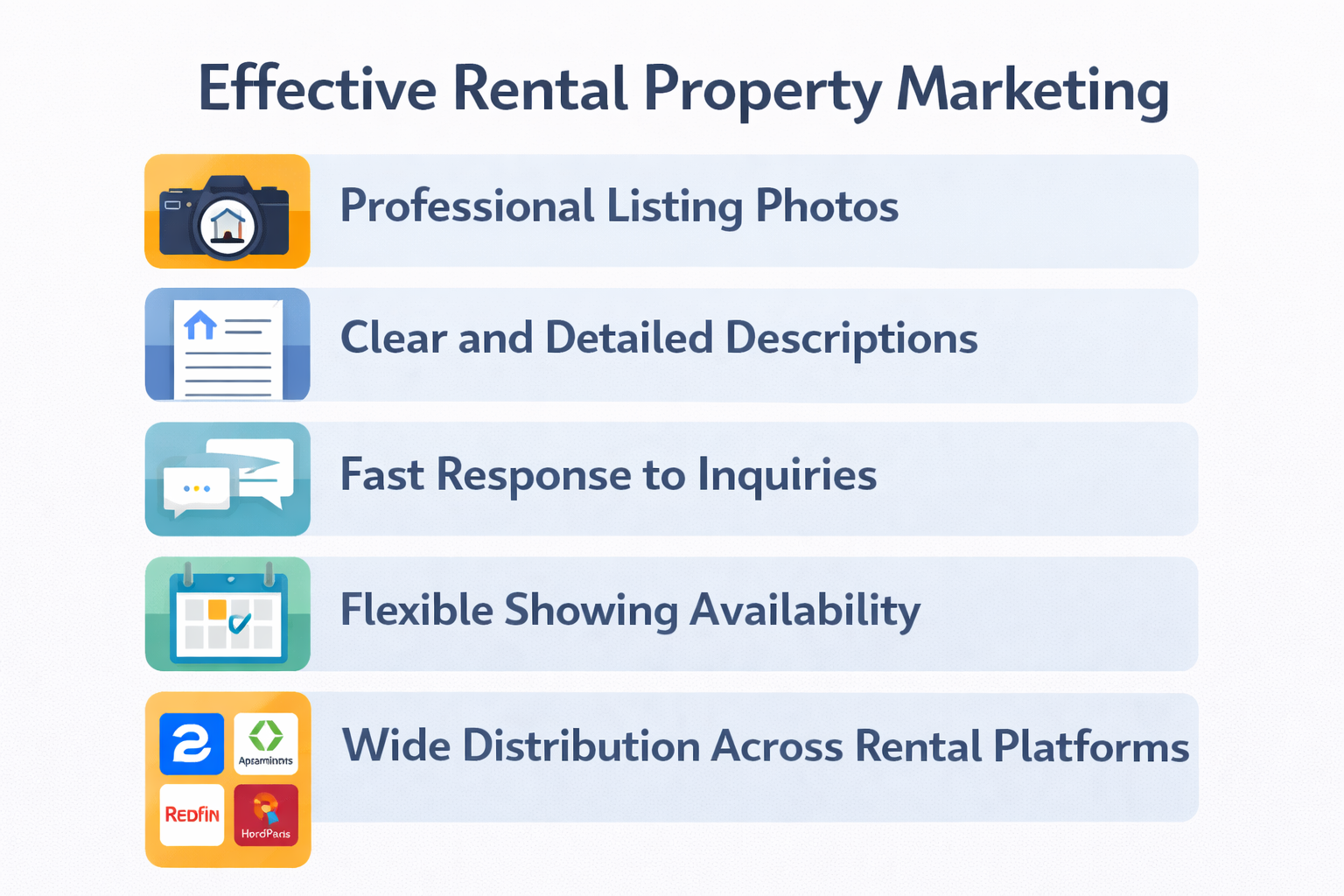
A strong marketing strategy is one of the fastest ways to reduce vacancy.
Most renters begin searching online and compare multiple listings at once. Properties that stand out with professional photos and strong descriptions get more attention.
Effective marketing includes:
professional listing photos
clear and detailed descriptions
fast response to inquiries
flexible showing availability
wide distribution across rental platforms
Tenant Screening Also Impacts Leasing Timelines
Once applications come in, tenant screening plays a critical role.
Property managers and landlords must screen potential residents carefully to protect the rental site while keeping the leasing process efficient.
This typically includes:
background checks
credit screening
rental history verification
employment verification
Strong tenant screening helps ensure reliable tenants and reduces long term risk.
Learn more about how professionals screen tenants:
https://www.chicagospropertymanagement.com/blog/things-property-managers-do-to-find-the-best-tenants
Why March and April Are the Best Time to Prepare Your Rental Property
March and April are critical months in the Chicago leasing cycle.
The busiest leasing period runs from late spring through early fall, typically May through September. During this time, favorable weather and increased mobility lead to higher tenant demand and faster turnover. This is when most listings see the most activity and the quickest lease-ups.
In the early spring months, activity begins to pick up. More listings hit the market, but competition among renters also increases, meaning well-priced and well-marketed properties move quickly.
Summer is the most active time of year. Inventory is at its highest due to relocations, lease expirations, and student turnover. While this creates more options for renters, it also means landlords need strong pricing and marketing to stand out in a crowded market.
As fall approaches, demand begins to slow. Leasing activity is still steady in early fall, but by late fall, fewer renters are actively searching. At this point, pricing becomes more important, and properties may take longer to lease if they are not positioned correctly.
Winter is the slowest season. Fewer renters are moving, which often leads to longer days on market. However, tenants searching during this time tend to be more serious, and competition is significantly lower.
Property owners who prepare early benefit from increased demand and less competition.
Preparing your rental property now allows you to:
complete maintenance and repairs
review pricing based on current data
update listing photos
launch marketing campaigns
start scheduling showings early
Waiting too long can result in more competition and longer vacancy periods.
How Property Management Companies Help Reduce Vacancy
A professional property management company can significantly reduce vacancy and improve leasing outcomes.
Property management companies help owners:
analyze rental market data
set competitive rental pricing
market rental properties effectively
screen tenants thoroughly
manage maintenance and operations
Top property management companies in Chicago use local insights and neighborhood data to help owners stay competitive.
If you want to learn more, read:
https://www.chicagospropertymanagement.com/blog/what-are-the-benefits-of-hiring-a-property-management-company
Planning Ahead for the 2026 Chicago Leasing Season

Spring and summer remain the strongest leasing period in the Chicago rental market.
With increasing demand, limited new construction, and stable trends, landlords have a strong opportunity to lease properties quickly.
However, success depends on:
accurate pricing
strong marketing
property condition
timing
By preparing early and understanding market trends, property owners can reduce vacancy and attract qualified tenants more efficiently.
Property Owners, Need Help Renting Your Chicago Property?
If you are preparing to lease a property this spring or summer, timing, pricing, and marketing will determine how quickly your property rents.
At Landmark Property Management, we help Chicago property owners reduce vacancy, optimize rental pricing, and attract qualified tenants faster.
If you want to know how quickly your asset should rent in today’s market, request a free rental analysis and we will break down your pricing, demand, and expected leasing timeline.




.png)