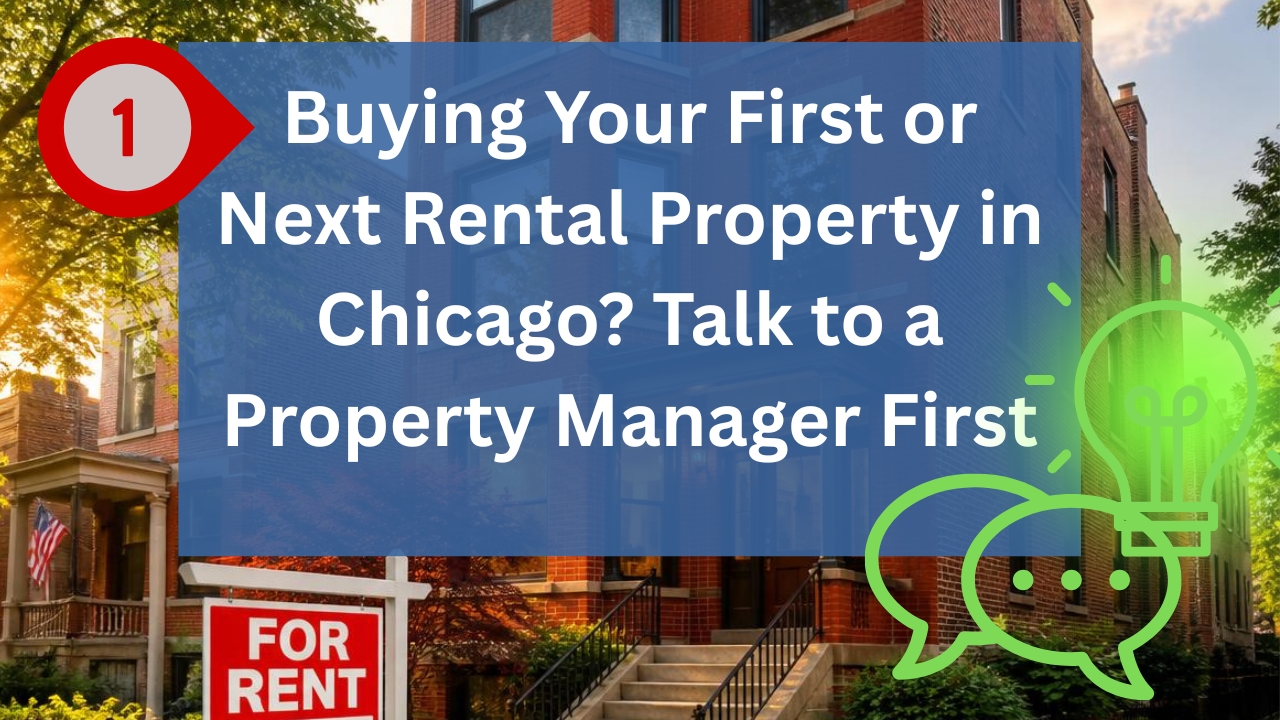
One Conversation Before You Buy Could Save You Thousands
I'm Jason Marcordes, Founder of Landmark Property Management, a full service management company and brokerage. Over the past two decades, I've had the opportunity to work with thousands of rental property owners throughout Chicago and the surrounding suburbs. Some were buying their very first investment property. Others already owned dozens of units and were looking for their next opportunity. After helping investors buy, lease, and manage rental properties over the years, I've noticed something interesting.
Almost everyone spends time talking with their real estate agent, lender, inspector, and attorney before buying a property. Very few take the time to talk with someone who manages rental properties every day.
I've always thought that was a missed opportunity.
Each professional involved in the transaction plays an important role, but they're all looking at the property from a different perspective. A real estate agent is helping you purchase the property. A lender is evaluating financing. An inspector is identifying defects. An attorney is protecting your legal interests. Those conversations are all important, but none of them are focused on what ownership will actually look like after closing.
That's where I see things differently.
When I walk through a potential investment property, I'm not thinking about whether the deal is going to close. I'm thinking about what the next five or ten years are going to look like for the person buying it. Will the rent they're expecting be realistic? Will qualified tenants want to live there? Is the property likely to require significant maintenance? Is it located in an area where tenants tend to stay, or is turnover a constant challenge? Most importantly, is this the kind of property that quietly builds wealth over time, or is it going to become a source of constant frustration?
Those questions don't always have obvious answers during a showing, but they often have the biggest impact on whether an investment succeeds.
One of the biggest misconceptions about rental property investing is that buying the property is the difficult part. In reality, buying a property is a transaction. Owning one is a business. The decisions you make after closing, from pricing the property correctly and selecting qualified tenants to handling maintenance and controlling vacancy, will have a much greater impact on your long-term return than negotiating another few thousand dollars off the purchase price.
That's why I believe every investor should talk to a property manager before making an offer, even if they have no intention of hiring one. A good property manager isn't there to convince you to buy or not buy a property. They're there to help you understand what ownership is actually going to look like once the excitement of closing day is over.
I've never had an investor tell me they regretted asking too many questions before buying a rental property. I have talked with plenty who wished they had asked a few more.
The goal isn't to buy more rental properties.
The goal is to buy better ones.
Buy the Investment, Not the Deal
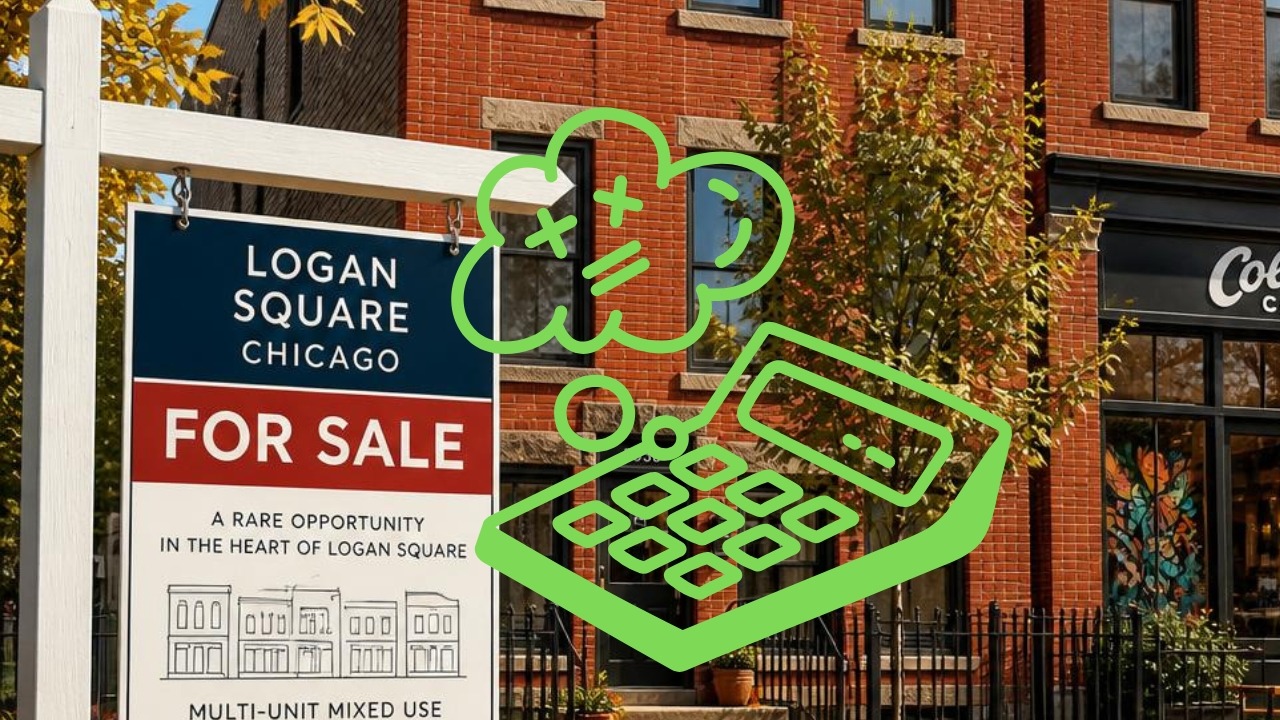
One of the biggest mistakes I've seen over the years is investors falling in love with a property before they understand how it's going to perform.
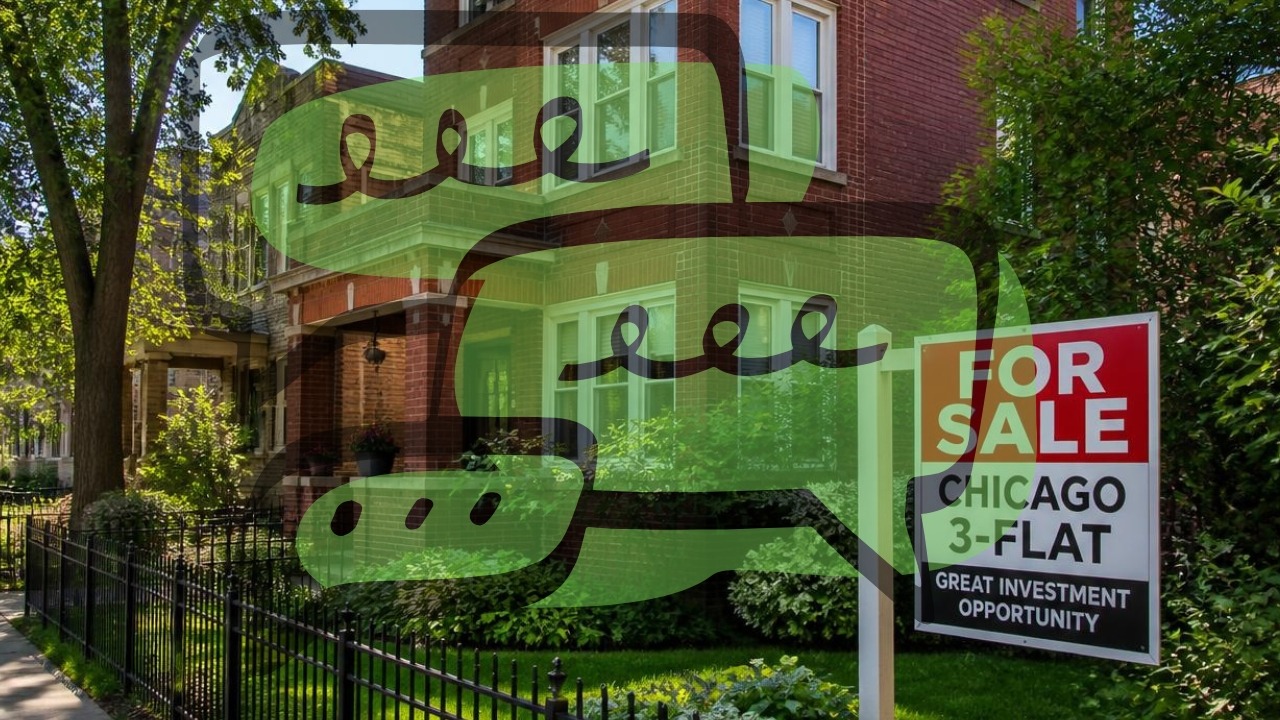
I understand why it happens. You walk into a beautifully renovated two-flat in Logan Square or a clean single-family home in Frankfort, and it's easy to picture what it could become. The kitchen is updated, the floors look great, and the asking price seems reasonable. Before long, you're mentally arranging furniture and calculating the rental income.
The problem is that excitement has a way of changing how we evaluate a property.
Instead of asking tough questions, we start looking for reasons to justify buying it. We convince ourselves the rent will probably be a little higher than expected. We assume the maintenance won't be that bad. We tell ourselves the neighborhood is "up and coming," even though we haven't really studied the rental market. Before we know it, we're making a decision based on optimism instead of evidence.
That's why I encourage investors to slow down, especially when a property feels like a great deal.
Over the years, I've learned that the market is usually pretty good at pricing real estate. If a property is significantly cheaper than similar properties nearby, there's often a reason. It could be deferred maintenance, higher turnover, a layout that renters don't love, or a location where rental demand isn't as strong as it first appears. Sometimes it's obvious. Other times, you don't discover the reason until you've owned the property for a year.
I've watched investors spend months searching for the cheapest property they could find, only to end up with the most expensive property they ever owned. The lower purchase price was quickly erased by vacancy, unexpected repairs, and constant maintenance. I've also watched investors pay a little more for a property in a stronger rental market and barely think about it again because it leased quickly, attracted great tenants, and quietly produced steady cash flow year after year.
That's why I rarely focus on whether a property is cheap. I'm much more interested in whether it's a good investment.
Those aren't always the same thing.
A good investment is one that continues to perform long after the excitement of closing day is over. It generates reliable income, attracts qualified tenants, and fits your long-term goals as an investor. Those are the qualities that build wealth over time, and they're much harder to see than a newly renovated kitchen or an attractive listing price.
Whenever I'm evaluating a property, I keep coming back to one simple question.
Would I still be happy owning this property ten years from now?
If the answer isn't a confident yes, I keep asking questions until I understand why.
I've found that's a much better way to evaluate a rental property than simply asking whether it's a good deal.
Buying the Property Is the Easy Part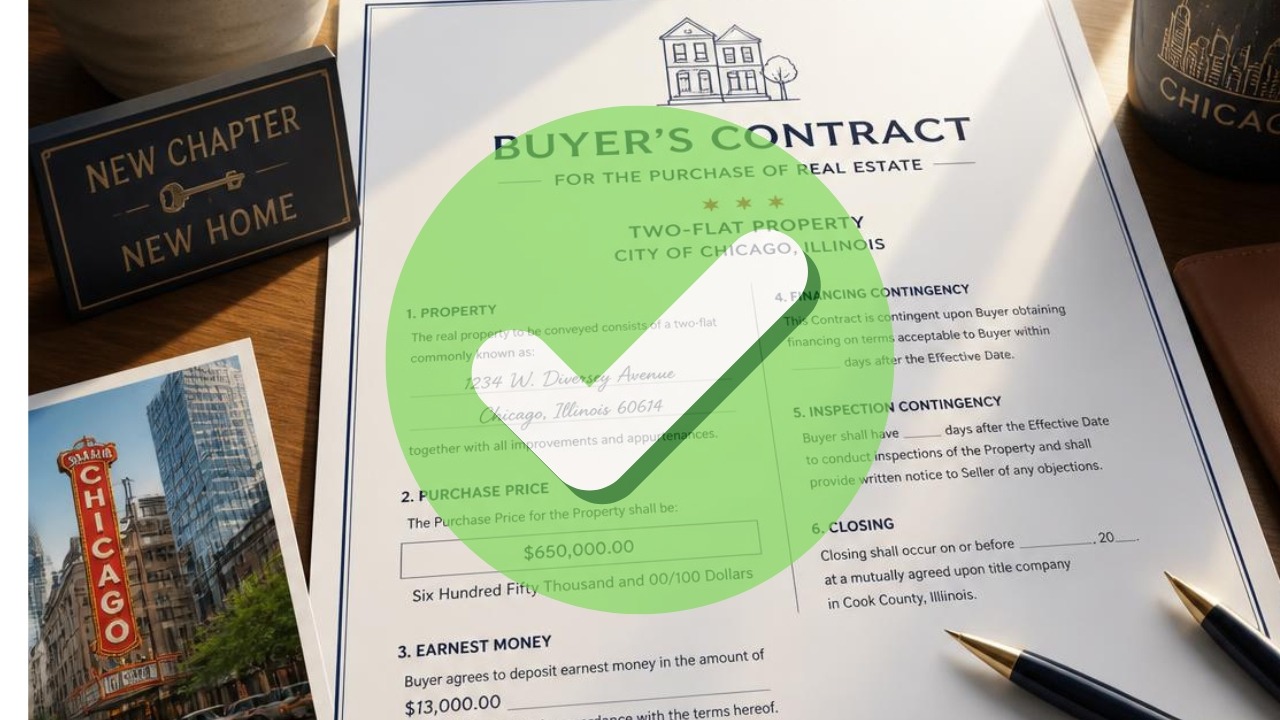
One thing I've learned over the years is that buying a rental property is only a small part of owning one successfully. Closing day feels like you've reached the finish line because you've spent weeks looking at properties, negotiating contracts, working with your lender, and making it through inspections. The truth is, closing day is really the beginning.
The day after you get the keys, the questions start to change. How much should the property rent for? What's the best way to market it? How do you attract qualified tenants instead of simply filling the vacancy? When should you repair something, and when does it make more sense to replace it? Those decisions have a much bigger impact on your long-term return than most people realize.
I've seen investors negotiate for weeks to save $10,000 on the purchase price, only to lose far more than that because the property sat vacant longer than expected or needed repairs they didn't budget for. I've also seen owners pay fair market value for a well-maintained property and quietly build wealth for years because they focused on operating it well instead of chasing the perfect deal.
That's one of the reasons I encourage investors to think differently about cash flow. It's easy to build a spreadsheet that works on paper. It's much harder to own a property through a furnace replacement, a roof repair, a tenant turnover, or a slower leasing season. Those are the moments that reveal whether you bought a property that can withstand real-world ownership or one that only looked good in the numbers.
The investors who are successful over the long term aren't necessarily the best negotiators. They're the ones who understand that rental property ownership is a business. They plan for maintenance before something breaks. They budget for vacancy instead of assuming every month will be fully occupied. They build relationships with contractors before they have an emergency. Most importantly, they make decisions based on where they want the investment to be five or ten years from now, not just how it looks on closing day.
The Best Investors Prepare for Problems Before They Happen
One conversation I have with investors all the time has nothing to do with buying a property. It has to do with what happens six months later when something inevitably needs attention.
Every rental property will require maintenance. It doesn't matter if it's a vintage three-flat in Lakeview, a condo in the West Loop, or a newer single-family home in Frankfort. Furnaces fail. Water heaters wear out. Appliances need to be replaced. A tenant will eventually call with a problem you weren't expecting.
Those situations don't concern me nearly as much as an owner who isn't prepared for them.
The investors who tend to have the best experience are the ones who expect those moments and build a plan around them. They have money set aside for repairs. They know who they're going to call before an emergency happens. They understand that occasional maintenance isn't a sign they bought a bad property. It's simply part of owning real estate.
That's another reason I believe investors should evaluate a property based on how easy it will be to own, not just how exciting it is to buy. A property that needs a little less attention every year often produces a much better ownership experience than one that looked like a bargain but constantly demands your time and money.
I've found that the best rental properties usually aren't the ones owners talk about the most.
They're the ones they rarely have to think about.
Those are the properties that give investors the freedom to keep growing their portfolio instead of spending all their time solving problems.
Stop Thinking Like a Buyer. Start Thinking Like an Owner.
One question I like to ask investors is this:
If everything goes according to plan, would you want to own ten more properties just like this one?
It's a simple question, but it changes the way people think.
Instead of focusing on one transaction, you start thinking about building a portfolio. Instead of asking whether this property is exciting, you begin asking whether it's repeatable. Could you confidently buy another one next year? Would you still feel good about owning several properties with the same characteristics?
That's how experienced investors think.
They're not chasing one perfect deal. They're building a repeatable strategy they can follow for years. They understand that wealth isn't created by getting lucky once. It's built by making good decisions consistently over a long period of time.
In my experience, that's one of the biggest differences between someone buying their first rental property and someone building a lasting real estate portfolio.
How I Evaluate a Rental Property
When someone asks me to look at a property they're thinking about buying, I'm not trying to decide whether they can afford it. I'm trying to answer a much different question.
Would I feel good about owning this property myself?
That changes the entire conversation.
I don't start by looking at granite countertops or fresh paint. Cosmetic updates can make a property show well, but they don't tell me much about how it's going to perform over the next ten years. Instead, I start by asking whether people actually want to live there. Is this a neighborhood with strong rental demand? Is it the type of home that appeals to today's renters? If the current tenant moves out next month, how confident am I that we'll lease it again quickly?
I've learned that vacancy is one of the biggest expenses investors underestimate. Every month a property sits empty is income you'll never recover. That's why I spend a lot of time thinking about the next tenant before I ever think about the current one.
Once I'm comfortable with the location and rental demand, I start looking at the numbers. Not the numbers in the listing, but the numbers an owner is likely to experience after closing. Is the projected rent realistic based on today's market? Does the property still make sense after accounting for taxes, insurance, maintenance, vacancy, and future repairs? If everything has to go perfectly for the investment to work, that's usually a sign I need to look more closely.
I also pay attention to the condition of the property, but probably not in the way most people expect. I'm less concerned about cosmetic updates and much more interested in the things that become expensive surprises later. How old is the roof? How much life is left in the furnace and air conditioner? Have the major systems been maintained? Were previous renovations done well, or were corners cut to make the property look good before listing it for sale?
I've walked through properties that looked outdated but had solid mechanical systems and years of reliable life left in them. I've also seen beautifully renovated homes where expensive repairs were waiting just beneath the surface. That's one of the reasons experience matters. You begin to recognize the difference between a property that simply needs updating and one that's likely to become a constant maintenance project.
Finally, I step back and ask myself one question that brings everything together.
If this property performs exactly the way I expect it to, would I be excited to own ten more just like it?
That question forces me to think beyond this one transaction. It reminds me that successful investors don't build wealth by chasing one great deal. They build wealth by making good decisions over and over again.
That's why I don't evaluate properties based on how exciting they are.
I evaluate them based on how repeatable they are.
If a property fits your long-term goals, attracts strong tenants, produces realistic cash flow, and can be operated efficiently year after year, that's usually the kind of investment worth getting excited about.
The Right Property Depends on the Investor
One thing I've learned after working with thousands of rental property owners is that there isn't one perfect investment. The right property depends on the person buying it.
That's one of the reasons I spend as much time asking questions about the investor as I do about the property itself. Before I can tell you whether I think a property is a good investment, I want to understand what you're trying to accomplish. Are you looking to replace part of your income? Build long-term wealth? Purchase your first rental property? Grow an existing portfolio? Those goals all lead to different conversations.
For example, I work with many physicians, business owners, and other busy professionals who simply don't have the time to manage a property day to day. They're not looking for a project that requires constant attention. They want an investment that generates reliable income, attracts quality tenants, and can be operated efficiently while they focus on their career and family. For those investors, consistency is usually more valuable than squeezing every possible dollar out of a deal.
The conversation is different with someone buying their first rental property. At that stage, my advice is usually to keep things simple. Buying your first investment isn't about finding the highest return you'll ever make. It's about building confidence, learning the business, and owning a property that gives you a positive experience. I've found that investors who start with a stable, well-performing property are much more likely to continue investing than those who begin with a renovation project that quickly becomes overwhelming.
Experienced investors often think differently. They're usually asking how a property fits into the rest of their portfolio. Does it balance the properties they already own? Is it located in a market they understand? Is it the kind of investment they could confidently buy again if another opportunity came along? At that point, the conversation isn't just about one property. It's about building a portfolio that continues to perform year after year.
I also spend a lot of time working with out-of-state owners. Those investors don't have the ability to stop by the property after work or meet a contractor on short notice. They need confidence that the rental demand is strong, the numbers are realistic, and the property can be operated successfully from hundreds of miles away. That makes choosing the right investment even more important because small problems become much larger when you're managing them from another state.
What all of these investors have in common is that they're trying to make a smart long-term decision. The property that's perfect for a busy physician may not be the right choice for someone who enjoys renovating homes on weekends. A building that's a great addition to an experienced investor's portfolio may not be the best place for a first-time landlord to start.
That's why I don't believe in searching for the "best" rental property.
I believe in finding the property that's best for you, your goals, and the life you're trying to build.
That's a much more reliable way to invest, and in my experience, it's the approach that leads to the best long-term results.
Before You Make an Offer
If you've made it this far, I hope you've noticed that I haven't tried to convince you to buy more rental properties. In fact, I'd rather see someone walk away from the wrong investment than buy a property they regret owning a year later.
Real estate has been one of the most rewarding businesses I've been a part of, but it's also taught me that patience almost always pays off. The investors who build lasting wealth aren't the ones chasing every opportunity. They're the ones who know when to move forward and when to keep looking. They ask hard questions, challenge their own assumptions, and aren't afraid to walk away if something doesn't feel right.
If there's one piece of advice I'd leave you with, it's this:
Don't buy a rental property because you're excited about the purchase. Buy it because you're confident in the ownership.
There's a big difference.
Excitement fades after closing. Ownership is what you'll live with for years.
If you're considering buying a rental property anywhere in Chicago or the surrounding suburbs, I'd encourage you to have one more conversation before you make an offer.
At Landmark Property Management, we regularly help investors evaluate potential purchases before they close. We'll talk through realistic rental rates, neighborhood demand, expected operating costs, maintenance concerns, tenant expectations, and the factors that influence long-term performance. Sometimes we'll tell you we think you've found an excellent investment. Other times we'll point out concerns that are easy to miss during the buying process. Either way, our goal is the same: to help you make the best possible decision before you commit.
Whether you're buying your first rental property, adding to an established portfolio, or investing from out of state, we're happy to share our perspective.
After all, buying a rental property takes about thirty days.
Successfully owning one takes years.
If a thirty-minute conversation today helps you make a better decision for the next ten years, I think that's time well spent.
Thinking About Buying an Investment Property?
Before you submit an offer, let's have a conversation.
At Landmark Property Management, we help real estate investors evaluate potential acquisitions throughout Chicago and the surrounding suburbs before they buy. Our team looks beyond the listing price to discuss realistic rental income, tenant demand, maintenance expectations, operating costs, neighborhood trends, and the long-term factors that influence investment performance.
As a licensed Illinois real estate brokerage and full-service property management company, we manage residential, multifamily, and commercial investment properties across Chicago, Cook, DuPage, and Will counties. That experience gives us a practical perspective that complements the advice you'll receive from your real estate agent, lender, inspector, and attorney.
Whether you're purchasing your first rental property, expanding an existing portfolio, completing a 1031 exchange, or investing from out of state, we're happy to share what we've learned from managing thousands of rental properties and working with investors at every stage of ownership.
Schedule a conversation with Landmark Property Management before you buy. Thirty minutes today could help you make a better investment decision for the next ten years.

.png)