
When investors evaluate a rental property in Chicago, they usually focus on the obvious numbers.
Purchase price, rental income, property taxes, insurance costs, maintenance expenses, and vacancy rates are often the first numbers investors analyze. Those numbers matter, but they do not tell the full story.
In Chicago, landlord-tenant laws can also affect how a rental property performs. They can influence operating costs, risk, cash flow, buyer demand, and ultimately, how investors view long-term property value. That does not mean Chicago is a bad place to invest. It does mean investors need to understand the rules before they buy.
Chicago remains one of the strongest rental markets in the Midwest, with a large renter population, diverse housing stock, strong neighborhood demand, and a steady need for quality rental housing. But it is also a highly regulated rental market compared to many suburbs.
For investors, the question is not simply whether these laws are good or bad. The better question is this:
"How do these laws affect investment performance?"
Why Landlord-Tenant Laws Matter to Property Values
Rental property values are different from owner-occupied home values.
For investors, value is closely tied to income. A property is worth more when it can produce stable rent, predictable cash flow, and manageable risk.
When regulations increase operating costs or create more uncertainty, investors may adjust how they underwrite a deal. They may require higher returns, budget more for legal and management expenses, or offer less for a property that appears difficult to operate.
That is where landlord-tenant laws can influence value.
They may not directly lower the price of every rental property, but they can affect how buyers evaluate risk. If two properties generate similar rent but one comes with more compliance complexity, investors will usually notice.
In a competitive market, that difference matters.
Chicago Is Not the Same as the Suburbs

One of the biggest mistakes investors make is treating Chicago and the surrounding suburbs as one rental market.
They are connected, but they are not the same.
Rental properties within Chicago city limits are generally subject to the Residential Landlord and Tenant Ordinance, commonly known as the RLTO. This ordinance governs many parts of the landlord-tenant relationship, including lease requirements, disclosures, security deposits, maintenance responsibilities, landlord access, tenant remedies, and anti-retaliation protections.
Many suburbs follow Illinois landlord-tenant law without the same Chicago-specific requirements.
That difference can affect investment strategy.
A two-flat in Logan Square, a six-unit building in Albany Park, and a single-family rental in Lincoln Square may all perform very differently from a rental property in Naperville, Plainfield, Downers Grove, Homer Glen, or Orland Park.
The Chicago property may offer strong rent demand and long-term appreciation potential, but it may also require more careful compliance. The suburban property may offer fewer city-specific rules, but performance still depends on rent demand, taxes, schools, location, and property condition.
Neither option is automatically better. They are simply different.
How Chicago’s RLTO Affects Rental Property Owners

The Chicago Residential Landlord and Tenant Ordinance is one of the most important regulations local rental owners need to understand.
The RLTO applies to many residential rental properties in Chicago, although some exceptions exist. It outlines rights and responsibilities for both landlords and tenants and includes rules related to leases, notices, repairs, deposits, access, and tenant protections.
For investors, the biggest issue is not the existence of the ordinance. It is the cost of getting it wrong. A missed disclosure, improper lease clause, mishandled security deposit, delayed maintenance response, or incorrect notice can create problems that go beyond a simple tenant complaint.
This is especially important for self-managing landlords who only own one or two properties. Many compliance mistakes happen because an owner uses an old lease, downloads a generic form online, or assumes the same rules apply in Chicago that apply in the suburbs.
In Chicago, that can be risky.
The RLTO does not make rental ownership impossible. Many investors do very well in the city. But it does make proper systems more important.
How Regulations Can Affect Cash Flow

One of the most overlooked aspects of rental property investing is the impact regulations can have on cash flow. While many investors focus on rental income and appreciation, compliance costs can quietly affect overall returns.
For example, owners may need updated lease agreements, stronger documentation practices, legal guidance, professional property management, or more robust systems for tracking maintenance requests and tenant communication. Individually, these expenses may seem minor, but together they can influence the long-term profitability of a property.
Regulations can also affect how quickly issues are resolved. When a lease violation, nonpayment situation, or maintenance dispute arises, landlords are often required to follow specific procedures, notice requirements, and timelines. These processes help protect both parties, but they can also add time and administrative responsibilities that investors should account for when evaluating a property's performance.
Risk is another important consideration. A compliance mistake may seem insignificant at first, but the financial consequences can sometimes exceed the cost of the original issue. This is particularly true when documentation is incomplete or required procedures are not followed.
Because of these factors, two properties with similar purchase prices and rental income can produce very different results. A building that appears highly profitable on paper may underperform if an investor underestimates operating requirements, legal expenses, tenant turnover, vacancy periods, or management responsibilities.
Before purchasing an investment property, it is important to look beyond projected monthly rent and cap rates. Local regulations, property condition, taxes, insurance costs, and management requirements all play a role in determining the property's true return over time.
Tenant Protections Can Affect Buyer Demand

Investor demand plays a major role in rental property values.
When buyers see a property as easy to operate, they may be more willing to compete for it. When buyers see more risk, they may become more conservative.
Chicago's tenant-friendly laws may cause investors to look more closely at lease history, tenant payment history, security deposit records, maintenance issues, notice requirements, rent roll accuracy, and neighborhood-specific regulations before making a purchase decision.
That does not mean investors avoid Chicago. It means experienced investors ask better questions.
A well-documented rental property with clean leases, strong tenants, proper rent records, and clear maintenance history will usually be more attractive than a poorly managed property, even if both are in the same neighborhood.
This is one reason property management can influence long-term value. Good management creates cleaner records, better compliance, stronger tenant relationships, and more predictable operations.
TOPA and Neighborhood-Specific Rules Are Changing the Conversation
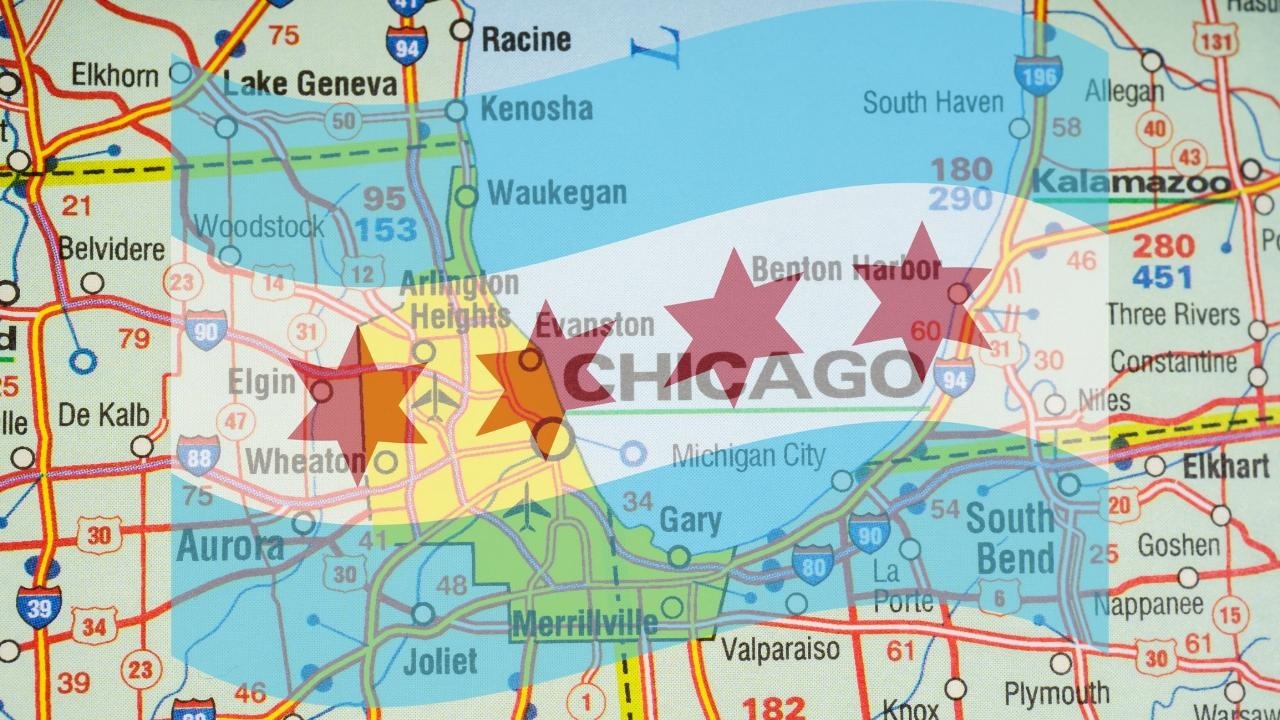
Chicago’s Tenant Opportunity to Purchase programs, often referred to as TOPA, are another reason investors are paying closer attention to local regulations. TOPA programs are designed to give tenants certain purchase rights before covered rental properties are sold. These programs do not apply everywhere in Chicago, but they are important in the areas where they do apply.
The Northwest Side Preservation Ordinance created a TOPA pilot program affecting certain properties near the 606 area. This includes portions of neighborhoods such as Logan Square, Humboldt Park, Avondale, Hermosa, and West Town.
Chicago has also expanded tenant purchase protections through the Jackson Park TOPA pilot program, which affects certain properties in a defined South Side area near Jackson Park.
For investors, these rules matter because they can affect the sales process. A covered property may require additional notices, timelines, documentation, and tenant communication before a sale can move forward. This does not automatically reduce property value. But it can make certain transactions more complicated. A buyer may still love the property. A seller may still receive strong offers. But the process may require more planning than a similar sale in a suburb without those requirements.
Are These Laws Hurting Rental Property Values?

The answer depends on the property, the location, and the investor evaluating it.
In certain situations, regulations can create downward pressure on value. Properties with poor documentation, unresolved tenant issues, deferred maintenance, open code violations, or unclear lease records may attract fewer buyers and more scrutiny during the due diligence process. Investors who anticipate additional legal expenses, operational challenges, or significant time commitments to stabilize a property may factor those risks into what they are willing to pay.
However, focusing solely on regulations ignores the larger forces that drive real estate values.
Chicago remains one of the largest rental markets in the country, and demand for housing continues to support many neighborhoods throughout the city. Rent growth has remained relatively strong compared to some national markets, while high home prices and elevated mortgage rates have kept many residents in the rental market longer. At the same time, limited housing supply in desirable areas continues to create competition for well-maintained rental housing.
Those market fundamentals matter. Investors are not simply evaluating a city's regulations when they purchase a property. They are also evaluating neighborhood trends, employment growth, rental demand, housing inventory, taxes, insurance costs, financing conditions, and long-term appreciation potential.
As a result, two properties located in different neighborhoods may experience very different outcomes despite being subject to the same regulations. A well-maintained building with strong tenants and consistent cash flow in a high-demand area may continue to attract significant investor interest, while a poorly managed property with operational challenges may struggle regardless of the regulatory environment.
That is why the conversation should not be framed as whether Chicago's landlord-tenant laws are helping or hurting property values.
A more accurate way to look at it is that these regulations are changing how investors assess risk, evaluate opportunities, and plan for long-term ownership.
For experienced investors, they are simply another factor to account for when making decisions in one of the nation's most active rental housing markets.
Why Investors Still Choose Chicago

Despite Chicago's regulatory environment, investors continue to purchase and hold rental property throughout the city because the market offers advantages that are difficult to replicate elsewhere in the Midwest. A large renter population, diverse economy, extensive public transportation network, world-class universities and healthcare systems, and a wide range of housing options all contribute to long-term demand for rental housing.
The city also offers opportunities for nearly every investment strategy. Investors can choose from single-family homes, condos, two-flats, three-flats, courtyard buildings, mixed-use properties, and larger multifamily assets, often within just a few miles of one another. That variety allows buyers to target different tenant demographics, price points, and investment goals depending on the neighborhood.
Demand also varies across the city. Northwest Side neighborhoods such as Irving Park, Lincoln Square, Ravenswood, and Albany Park often appeal to renters looking for more space, stable residential streets, and convenient transportation options. Areas closer to downtown, including Lakeview, Lincoln Park, West Town, Logan Square, and Avondale, continue to attract renters who prioritize walkability, dining, entertainment, and access to employment centers. On the Southwest Side, neighborhoods like Beverly and Mount Greenwood appeal to those seeking a more residential atmosphere while remaining within city limits.
Meanwhile, parts of the South and West Sides may offer compelling opportunities for investors willing to do their homework. These areas often require a closer look at property condition, neighborhood trends, tenant demand, financing considerations, and local market dynamics, but they can also provide opportunities that may not exist in more established neighborhoods.
Ultimately, Chicago is not a one-size-fits-all investment market. Success often comes from understanding the unique characteristics of each neighborhood, evaluating opportunities carefully, and building a strategy that aligns with both market conditions and long-term investment goals. That local knowledge can make a significant difference in how a property performs over time.
How the Suburbs Compare

For many investors, the suburbs are attractive because they may offer strong rental demand with fewer Chicago-specific regulations.
Communities like Naperville, Plainfield, Oswego, Downers Grove, Wheaton, Elmhurst, Oak Park, Evanston, Tinley Park, and Orland Park each have their own rental dynamics.
Some suburbs attract families looking for schools and more space. Others attract renters who want train access, walkable downtowns, or proximity to employment centers.
Suburban rental properties can offer stability, but they are not risk-free. Investors still need to consider property taxes, local inspection requirements, village rules, HOA restrictions, maintenance costs, and tenant demand.
The key is understanding how each market performs.
A Chicago multifamily property may offer stronger rent density and long-term appreciation potential. A suburban single-family rental may offer lower turnover and simpler operations. A suburban multifamily property may offer a balance of both.
The right choice depends on the investor’s goals.
Do Tenant-Friendly Laws Make Professional Management More Valuable?
Yes, especially in Chicago.
Professional property management is not just about collecting rent and handling maintenance. In a regulated market, management also protects the investment by creating structure.
That includes stronger leasing practices, consistent documentation, maintenance coordination, tenant communication, renewal planning, rent collection procedures, legal resources, and compliance awareness.
For investors who own in Chicago, this can reduce risk.
For investors who own in the suburbs, it can improve consistency and performance.
In both cases, better management can support property value because it helps create a more stable income stream.
Most rental properties with clean records, good tenants, documented maintenance, and consistent rent collection are usually more attractive to future buyers than a property with unclear history and ongoing issues.
So, Do Chicago Landlord-Tenant Laws Affect Property Values?

Yes, but not always in the way people assume.
Chicago’s landlord-tenant laws can affect rental property values by increasing operating complexity, shaping buyer demand, and changing how investors evaluate risk.
But they do not automatically make Chicago a bad investment market.
In many neighborhoods, strong rental demand continues to support long-term value. In many suburbs, investors can find stable rental opportunities with different operating considerations. Across the region, the best outcomes usually come from understanding the local market before making decisions.
The investors who struggle are often the ones who underestimate the rules.
The investors who perform well are the ones who plan for them.
Whether you own a rental property in Chicago, Naperville, Plainfield, Orland Park, Downers Grove, or another surrounding suburb, staying ahead of local regulations can help protect your cash flow and long-term property value.
Whether you're evaluating your next acquisition or trying to maximize the performance of an existing rental property, understanding local regulations is an important part of protecting long-term returns.
If you'd like a second opinion on a property, investment strategy, or management approach, Landmark Property Management is always happy to be a resource. Contact Landmark Property Management for a no-pressure conversation about your goals and the local market.
Frequently Asked Questions About Chicago Landlord-Tenant Laws and Property Values
What should investors review before signing a real estate purchase contract?
Investors should review lease agreements, security deposit records, prepaid rent documentation, tenant payment history, maintenance records, lease renewal history, rent rolls, occupancy information, and any local regulatory provisions governing the property. Thorough due diligence can help identify potential risks before closing and provide a clearer picture of long-term performance.
Why are written notices important for landlords?
Many landlord and tenant interactions require written notice under applicable laws and lease agreements. Whether addressing lease renewals, maintenance concerns, rent collection issues, or tenancy changes, proper documentation creates a clear record and can help reduce future disputes.
What happens if a landlord violates a lease agreement or applicable regulations?
The outcome depends on the circumstances and the statutory or regulatory provisions involved. In some situations, landlords may be responsible for damages, attorney's fees, or other penalties. Property owners should seek qualified legal guidance when questions arise regarding compliance obligations.
How do security deposits and prepaid rent affect rental property purchases?
When acquiring occupied rental units, buyers should carefully review how security deposits and prepaid rent have been handled. Improper documentation can create liability for a future owner and may affect the property's overall risk profile.
Are mixed-use properties covered by the Residential Landlord and Tenant Ordinance?
It depends. A mixed-use building that contains residential dwelling units may be subject to the landlord and tenant ordinance for the residential portion of the property. Coverage varies based on the property's configuration and occupancy, so owners should verify whether specific dwelling units are covered.
What are essential services under Chicago rental regulations?
Essential services generally include services necessary for a rented dwelling unit to remain habitable, such as heat, water, electricity, and other basic utilities. Property owners should understand their obligations regarding essential services and maintenance requirements under applicable laws and lease agreements.
How does Chicago compare with suburban Cook County for rental property owners?
While Chicago rental properties are often subject to the Residential Landlord and Tenant Ordinance, many communities in suburban Cook County operate under Illinois landlord-tenant law without the same city-specific requirements. Investors should evaluate local regulations, rental demand, taxes, and management complexity when comparing opportunities.
Do tenant purchase rights affect the sale of rental properties?
In certain areas of Chicago, Tenant Opportunity to Purchase (TOPA) programs may require additional notices and timelines before a property sale can move forward. Investors should understand whether a rental property is located within an area covered by these programs before entering into a real estate purchase contract.
Why is documentation important when buying a rental property?
Lease agreements, written rental agreements, security deposit records, prepaid rent documentation, tenant payment history, lease renewal records, maintenance logs, and occupancy records can all affect due diligence. Strong documentation often signals a professionally managed property and can help reduce risk for future owners.
Are Chicago rental laws different for commercial properties?
Generally, yes. The Residential Landlord and Tenant Ordinance primarily applies to residential rental properties. Commercial properties, including office, retail, industrial, and many mixed-use buildings, are typically governed by their lease agreements and applicable Illinois law. Investors should review the specific property type and consult qualified legal professionals when questions arise.




.png)