For years, house flipping has been one of the most popular real estate investment strategies in America. Buy a property below market value, renovate it, sell it, and collect a profit.
While that strategy can still work, many Chicago real estate investors are changing course in 2026.
Instead of focusing on one-time profits through flips, investors are increasingly pursuing rental property investing and adopting a buy-and-hold strategy designed to create steady income, positive cash flow, and long-term wealth.
The reason is simple: the economics of real estate investing have changed.
Higher purchase prices, elevated renovation costs, and affordability challenges for homebuyers have made it more difficult to achieve the margins many flippers enjoyed in previous years. At the same time, strong rental demand throughout Chicago and the suburbs has created opportunities for investors seeking rental income and long-term appreciation.
For many investors, the question is no longer whether flipping works.
The question is whether a rental property is now the better investment! As you dive in check out our free rent or sell calculator or feel free to give our team a call to discuss your property or potential investment!
The Chicago Investor Math Has Changed

Real estate markets evolve, and successful investors adapt with them.
According to Redfin, Chicago home prices increased approximately 6.3% year-over-year through May 2026, with the median home price reaching roughly $420,000. Rising values benefit property owners, but they also increase the purchase price investors must pay to acquire new investment properties.
In addition to higher acquisition costs, renovation expenses remain elevated throughout the Chicago area. Labor shortages, permit costs, contractor demand, and material pricing continue to impact budgets for investors pursuing flips.
Financing costs have also increased. Freddie Mac reported the average 30-year fixed mortgage rate at approximately 6.47% in June 2026. Although interest rates have improved from recent highs, they remain significantly higher than the levels many investors became accustomed to several years ago.
For flippers, these factors create additional risk. Every month a property remains unsold means ongoing mortgage payments, property taxes, insurance costs, utility expenses, and maintenance obligations.
A project that appears profitable on paper can quickly lose money when unexpected expenses arise.
This changing landscape has caused many real estate investors to reconsider their investment strategy.
Why Rental Demand Continues to Support Chicago Investors
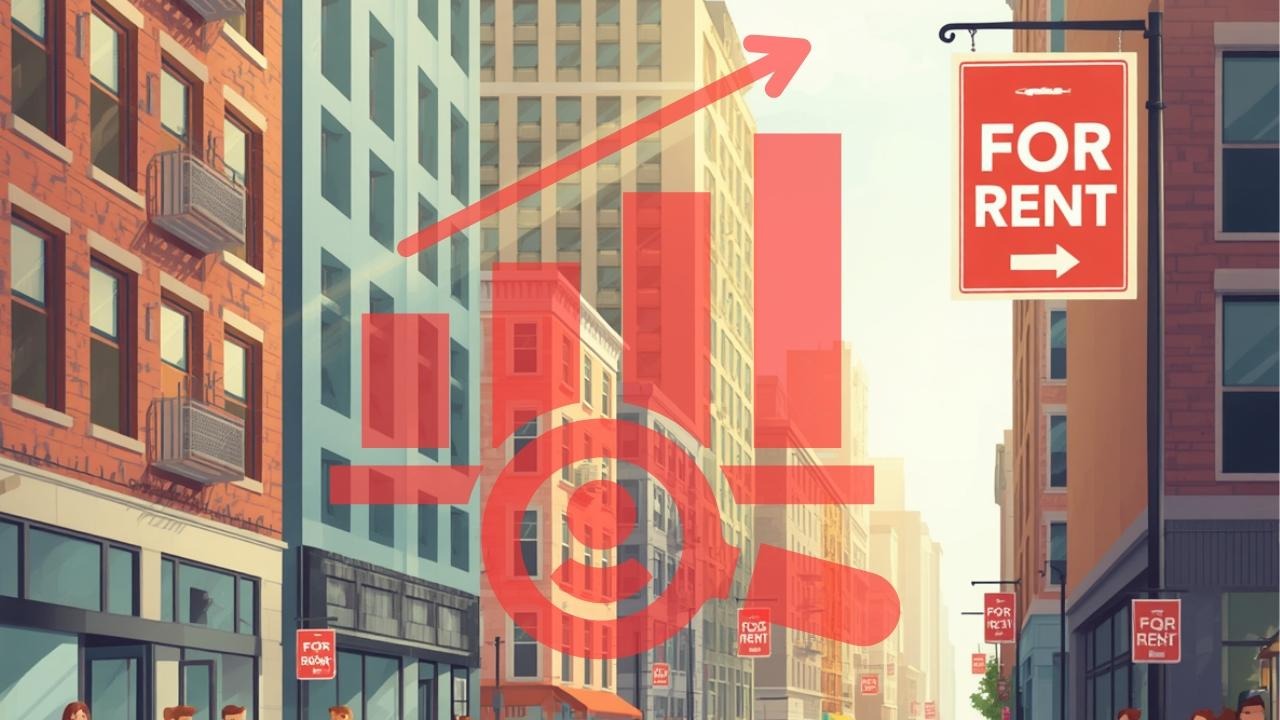
While higher mortgage rates have created challenges for buyers, they have helped support rental demand throughout Chicago and the surrounding suburbs.
Many households that might have purchased a home in previous years are remaining renters longer due to affordability concerns. This has contributed to continued demand for quality rental housing across many neighborhoods and suburban communities.
According to Matthews Real Estate Investment Services, Chicago multifamily vacancy remained near 5% during the first quarter of 2026 while rents continued to grow.
At the same time, Marcus & Millichap projects relatively limited new apartment supply entering the Chicago market compared to historical averages.
When rental demand remains strong and supply remains constrained, property owners often benefit from more consistent occupancy and stronger rental income potential.
For investors focused on long-term performance, this creates a favorable environment for rental property investing.
Understanding the Buy-and-Hold Strategy
Many investors moving away from flips are embracing what is known as the buy-and-hold strategy.
A buy-and-hold strategy involves purchasing an investment property and holding it for an extended period while generating rental income and benefiting from appreciation.
Unlike flipping, which depends on a future sale, buy-and-hold investing focuses on creating multiple sources of return.
These returns can include:
Monthly cash flow
Property appreciation
Mortgage principal reduction
Tax benefits
Long-term equity growth
Many real estate investors prefer this approach because it allows a property to continue producing value year after year.
Rather than relying on finding the next deal, investors can focus on building an investment portfolio that generates steady income over time.
The Difference Between Income and Wealth

One of the most important concepts in real estate investing is understanding the difference between generating income and building wealth. A successful flip can produce a significant profit, but once the property is sold, that income stream ends. The investor must then find another opportunity, secure financing, complete renovations, and repeat the process all over again.
Rental properties operate differently. Instead of relying on a single transaction, they can generate ongoing cash flow while also benefiting from appreciation and mortgage paydown over time. For example, an investor who purchases a rental property in Tinley Park that generates $300 per month in positive cash flow could collect more than $18,000 in cash flow over five years, not including potential increases in property value or equity growth.
This is why many experienced investors focus on building a portfolio of income-producing assets rather than pursuing one-time profits alone. While a flip may create an immediate return, a well-performing rental property can continue creating value for years, making it a powerful tool for long-term wealth building.
What Makes a Good Rental Property Investment?

Not every investment property produces strong cash flow.
Successful rental property investing starts with understanding the numbers.
Purchase Price Matters
The purchase price directly impacts profitability.
Paying too much for a property can reduce cash flow and make it more difficult to achieve desired returns.
Successful investors carefully analyze comparable sales, market conditions, and future rental demand before buying property.
Rental Income Must Support Expenses
A property's rental income should comfortably cover mortgage payments, property taxes, insurance, maintenance, vacancy reserves, and property management fees.
Investors who ignore operating costs often overestimate profitability.
Positive Cash Flow Is Critical
Positive cash flow occurs when rental income exceeds expenses.
Many investors consider positive cash flow one of the most important factors when evaluating a new investment property.
Strong cash flow can help protect investors during market fluctuations and create a more predictable ownership experience.
Net Operating Income Helps Evaluate Performance
Net operating income, often called NOI, measures income after operating expenses but before mortgage payments.
Many experienced investors use net operating income to compare similar properties and evaluate potential investment opportunities.
Understanding NOI is an essential skill for anyone pursuing rental property investing.
Cash-on-Cash Return Matters
Cash-on-cash return measures annual pre-tax cash flow relative to the amount of cash invested.
This metric helps investors compare opportunities and determine whether a property aligns with their financial goals and risk tolerance.
Why Chicago Remains a Strong Market for Rental Property Investing

Chicago continues to attract real estate investors because of its diverse economy, large renter population, transportation infrastructure, universities, healthcare systems, and employment opportunities.
Unlike some markets that rely heavily on a single industry, Chicago benefits from economic activity across finance, logistics, healthcare, education, manufacturing, and technology.
This diversity helps support long-term rental demand.
The city and suburbs also offer a variety of investment opportunities, including single-family homes, multifamily buildings, condominiums, and mixed-use properties. For investors seeking both cash flow and appreciation, Chicago remains one of the most attractive real estate markets in the Midwest.
Chicago Suburbs Continue to Offer Opportunities

While many investors focus first on Chicago, some of the strongest rental property opportunities continue to emerge throughout the surrounding suburbs. Communities such as Naperville, Plainfield, Frankfort, Tinley Park, Orland Park, Joliet, and Downers Grove remain attractive to renters who want more space, strong schools, easier parking, and access to suburban amenities without committing to a home purchase.
For investors, this can create a more stable ownership experience. Suburban renters, especially families, often stay longer when a property meets their needs. Longer tenancy can reduce vacancy, lower turnover costs, and create more consistent rental income over time. These factors make many suburban investment properties appealing to owners who are focused on steady cash flow and long-term growth.
Rental Properties Offer Valuable Tax Benefits
Although every investor should consult a tax professional regarding their specific situation, rental properties can offer advantages that flips typically do not.
Potential tax benefits may include:
Depreciation deductions
Mortgage interest deductions
Operating expense deductions
Certain repair deductions
Flipping is generally treated more like active business income. Rental property ownership often provides additional opportunities to improve after-tax returns.
For many investors, these tax implications become an important part of their overall real estate investment strategy.
Common Mistakes New Investors Make
Whether an investor is pursuing a flip or a buy-and-hold strategy, small mistakes can have a significant impact on returns. One of the most common issues is underestimating the true cost of ownership. Repair expenses often exceed initial projections, while vacancies, maintenance costs, property taxes, insurance, and closing costs can quickly add up if they are not factored into the numbers from the beginning.
Another common mistake is overestimating a property's rental income without thoroughly researching comparable properties in the area. What a property owner hopes to collect in rent and what the market is willing to pay are not always the same. Investors who skip due diligence, overlook local regulations, or waive a home inspection may also encounter costly surprises that affect profitability.
Successful real estate investors understand that every opportunity comes with risks. Rather than chasing best-case scenarios, they evaluate potential investments conservatively, build in room for unexpected expenses, and focus on making decisions that support their long-term financial goals.
Flip vs. Buy and Hold: Comparing Two Investment Strategies
Factor | House Flipping | Buy and Hold |
Income Potential | One-time profit | Rental income plus appreciation |
Monthly Cash Flow | None after sale | Ongoing cash flow |
Tax Benefits | Limited | Potentially significant |
Risk Level | Higher | Moderate |
Time Commitment | High | Lower with professional management |
Passive Income Potential | Limited | Strong |
Long-Term Wealth Building | Moderate | Strong |
Many investors find that a buy-and-hold approach provides greater flexibility and more consistent results over time.
Why Professional Property Management Changes the Equation
One of the biggest concerns investors have about rental properties is management. Finding tenants, collecting rent, coordinating maintenance, handling lease renewals, responding to emergencies, and staying compliant with local regulations can feel overwhelming.
This is where professional property managers provide significant value. A professional property management company can help reduce vacancies, improve tenant quality, streamline operations, coordinate maintenance, and provide detailed financial reporting.
For investors seeking passive income and long-term growth, property management often makes rental ownership substantially easier. Instead of spending time managing day-to-day operations, owners can focus on acquiring other properties and growing their portfolio.
Is a Rental Property the Right Investment for You?

Every investor has different objectives, timelines, and risk tolerances. Some are drawn to the faster pace and potential short-term profits of house flipping, while others prefer the stability that comes from generating ongoing rental income and building equity over time.
In today's market, many Chicago-area investors are taking a closer look at the long-term benefits of buy-and-hold investing. Rising acquisition costs, elevated renovation expenses, and strong rental demand have shifted the conversation from chasing the next sale to creating reliable cash flow and sustainable wealth.
While there is no one-size-fits-all real estate investment strategy, rental properties continue to appeal to investors looking for recurring income, long-term appreciation, and the opportunity to build financial flexibility through real estate ownership. For many, the goal is no longer just making money on the next deal. It's creating assets that can continue producing value for years to come.
Partner With Landmark Property Management

Successful real estate investing doesn't end when you close on a property. Long-term returns depend on strong operations, quality tenants, regulatory compliance, and protecting your investment year after year.
Landmark Property Management is an award-winning, technology-driven Illinois licensed real estate brokerage specializing in residential and commercial property management throughout Chicago and the surrounding suburbs. Using AppFolio's industry-leading management platform, we help property owners simplify operations through professional leasing, tenant screening, rent collection, maintenance coordination, financial reporting, and proactive communication.
Whether you're a buy-and-hold investor, an out-of-state owner, a commercial property owner, or a landlord looking for a full-service property management partner, our team is focused on helping you maximize cash flow, reduce risk, and preserve the long-term value of your assets.
Led by founder and Managing Broker Jason Marcordes, whose nearly 20 years of property management experience has helped thousands of owners navigate the Chicago rental market, Landmark combines local expertise with proven systems designed for long-term success.
If you're evaluating your first investment property, expanding your portfolio, or looking for a property management company that puts investors first, we'd love to discuss your goals. Contact Landmark Property Management today to learn why more Chicago-area investors trust Landmark to protect and grow their investments.
Not sure whether a rental property is likely to produce positive cash flow? Request a Free Rental Analysis to receive a professional rental estimate and discuss your investment goals with our team.
Frequently Asked Questions
Is Chicago a good place to invest in rental property?
Yes. Chicago offers a large renter population, diverse employment base, strong transportation infrastructure, and a wide variety of investment opportunities. Many investors appreciate the balance between cash flow potential and long-term appreciation.
What is considered good cash flow on a rental property?
The answer varies by market and investment goals. Generally, positive cash flow means the property's rental income exceeds all operating expenses, mortgage payments, and reserves. Many investors prioritize consistent positive cash flow over speculative appreciation.
What is the buy-and-hold strategy in real estate?
A buy-and-hold strategy involves purchasing an investment property and holding it long term while generating rental income and benefiting from appreciation, equity growth, and potential tax benefits.
Is flipping houses still profitable in 2026?
Yes, but it can be more challenging than in previous years. Higher purchase prices, renovation costs, financing expenses, and market competition require investors to be more selective when evaluating opportunities.
What is net operating income (NOI)?
Net operating income is a calculation used to evaluate investment properties. It measures income after operating expenses but before mortgage payments and is commonly used to compare investment opportunities.
Should I manage my rental property myself or hire a property manager?
That depends on your experience, available time, and investment goals. Many investors hire professional property managers to handle leasing, maintenance, rent collection, compliance, and day-to-day operations so they can focus on growing their portfolio.


.png)