
If you own rental property in Chicago or the surrounding suburbs, there is a good chance you have checked Zillow’s Rent Zestimate tool or another online rent estimate before deciding how much to charge for rent.
In many situations, these tools can be incredibly useful. You enter an address, review nearby rental listings, and instantly receive a suggested rental price based on market data, square footage, bedrooms, bathrooms, and comparable properties nearby.
The challenge is that Chicago’s rental market is far more nuanced than most automated rent estimate tools can accurately measure.
Two apartments on the same block may lease for dramatically different monthly rent depending on:
property condition
amenities
parking
building quality
natural light
pet policies
management quality
and overall presentation
That is why some rental listings rent within days while others sit vacant for weeks, even when online rent estimates suggest they should perform similarly.
For landlords, relying too heavily on automated pricing tools can quietly reduce rental income, increase vacancy costs, and create longer days on market.
How Zillow Rent Estimates Work
Zillow’s Rent Zestimate is an automated rent estimate that uses a proprietary algorithm built around millions of public data points.
The platform analyzes:
local market trends
nearby rental comps
square footage
bedrooms and bathrooms
public records
historical rental listings
and available market data
In markets with large amounts of rental housing data and active rental listings, online rent estimates can sometimes provide a reasonable starting point.
For active listings in Chicago, Zillow has stated that many estimates fall within a relatively small margin of actual rental price outcomes. However, estimates for properties that are not currently listed or recently rented often become less accurate because the data may be outdated or incomplete.
That matters because Chicago neighborhoods can shift quickly.
Rental demand in Lincoln Park behaves differently than demand in Bronzeville. A condo in West Loop attracts different renters than a single-family rental property in Orland Park or New Lenox. Automated systems struggle to fully understand those neighborhood differences the same way experienced local property managers can.
Online Rent Estimates Miss What Renters Actually Care About

One of the biggest issues with automated rent estimates is that renters do not evaluate properties the same way algorithms do.
Most renters are not comparing only:
square footage
bedroom count
or zip code averages
They compare overall value.
Renters are often comparing parking availability, in-unit laundry, updated kitchens, central air conditioning, storage space, and overall property condition when deciding whether a rental feels worth the price.
Two similar rental units may technically support the same rental price on paper, but renters may strongly prefer one property over the other because it simply feels more functional or updated.
This becomes especially noticeable in competitive Chicago rental markets like Lakeview, Wicker Park, Logan Square, West Loop, and Lincoln Park where renters may review dozens of apartments in a single search session.
In suburban markets like Naperville, Tinley Park, Orland Park, and Bolingbrook, renters often place more emphasis on garages, storage, school districts, yard space, and commute access.
Those details significantly affect rental demand, but they are difficult for automated systems to fully analyze.
Online Rent Estimates Can Encourage Overpricing
One of the most common mistakes landlords make is assuming Zillow’s Rent Zestimate reflects what renters are truly willing to pay right now.
In some situations, online rent estimates may encourage pricing above what the local market currently supports.
That becomes dangerous because the first week a rental listing goes live is usually when it receives the highest amount of attention from potential tenants.
If renters immediately perceive a property as overpriced compared to nearby apartments or rental listings, showing activity slows down quickly.
Once a listing sits too long, renters often begin assuming something is wrong with the property, even when there is not.
This happens frequently in high-inventory Chicago neighborhoods where renters have many similar apartments to compare at nearby price points.
Many landlords eventually lower the rental price weeks later after losing valuable momentum and absorbing vacancy costs along the way.
We often see landlords reduce pricing after several weeks on market, when a smaller adjustment upfront may have leased the property faster and reduced overall vacancy costs.
Vacancy Costs Add Up Quickly

Many property owners focus heavily on maximizing monthly rent but underestimate how expensive vacancies actually become.
A rental property listed at $2,500 per month loses roughly $82 per day sitting vacant before accounting for:
utilities
property taxes
insurance
maintenance costs
operating expenses
repairs
and mortgage payments
Understanding local vacancy rates and occupancy rates is important because even short vacancies directly affect profitability and cash flow.
A common approach many real estate professionals use is budgeting for some level of vacancy annually, especially during slower leasing seasons.
In many cases, pricing slightly below competing rental listings creates stronger demand, shorter vacancies, and better long-term rental income than holding out for an unrealistic number.
Chicago’s Rental Market Changes Throughout The Year

One thing online rent estimates struggle to calculate accurately is seasonality.
Chicago’s rental market is highly cyclical.
Leasing activity usually increases during spring and summer as renters relocate for jobs, school, and lifestyle changes. During peak leasing season, competitively priced apartments in desirable neighborhoods may lease within days.
Winter markets behave very differently.
A rental property listed in January often requires more aggressive pricing, stronger presentation, or additional flexibility compared to the exact same property listed in June.
This becomes especially noticeable in apartment-heavy neighborhoods throughout Chicago where market conditions shift quickly based on demand and available inventory.
Online estimates rarely adjust fast enough to reflect these short-term changes in renter behavior.
Property Condition Has a Major Impact on Rental Pricing

Many landlords assume rental pricing is determined mostly by square footage and location.
In reality, property condition often plays a massive role in how renters perceive value.
A clean, well-maintained apartment with updated flooring, fresh paint, modern lighting, and functional amenities may lease significantly faster than a larger property with outdated finishes or deferred maintenance.
Renters today expect more than basic functionality. In many Chicago neighborhoods, features like:
in-unit laundry
central air
parking
dishwashers
outdoor space
and pet-friendly policies
have become expected amenities rather than luxury upgrades.
Significant remodels or upgrades that differ from surrounding rental housing are also not always fully captured by automated rent estimate systems.
This is one reason experienced property managers spend so much time evaluating real-world competition rather than relying entirely on online estimates.
Rental Comps Matter More Than Broad Market Averages
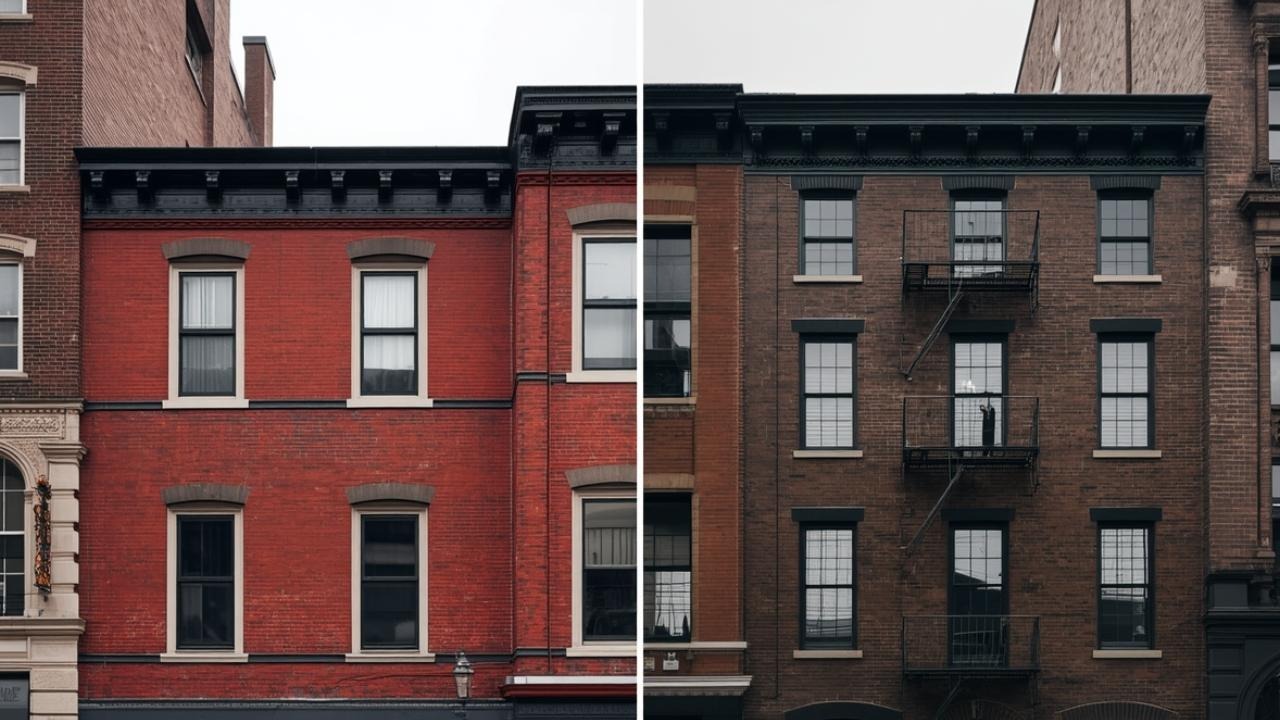
One major problem with online rent estimates is that many landlords rely too heavily on broad market averages instead of true comparable rental listings.
Average rent data can be useful for understanding general market trends, but renters are not comparing your property against the entire Chicago market.
They are comparing it against:
similar properties
nearby apartments
competing rental listings
and comparable amenities
A two-bedroom apartment in Lincoln Park should not be priced the same way as a two-bedroom rental property in Bridgeport, Bronzeville, or Homer Glen simply because online estimates suggest similar averages.
The most accurate rental comps come from actively competing properties targeting the same renter demographic at the same time.
That requires real market research, not just automated estimates.
Why Local Expertise Matters When Pricing Rental Property
At Landmark Property Management, we have spent years leasing and managing rental property throughout Chicago and the surrounding suburbs, and one thing becomes very clear over time: pricing rental property correctly is rarely as simple as entering an address into an online calculator, although this can be a useful start.
Our managing Broker and founder of Landmark Property Management, started the company in 2014 after already working within the Chicagoland property management industry for years. Over the past decade, he has managed thousands of residential and commercial properties across a wide range of neighborhoods, property types, and market conditions.
That experience matters because every Chicago rental market behaves differently.
A condo in West Loop attracts different renters than a two-flat in Bridgeport. A rental house in Plainfield performs differently than apartments near public transportation in Lakeview.
Even within the same neighborhood, two similar properties may lease for very different rental rates depending on:
timing
amenities
condition
parking
management
presentation
and renter demand
Understanding how renters actually behave in each market often matters more than what an automated estimate says online.
Final thoughts
Zillow’s Rent Zestimate and other online rent estimate tools can provide a useful starting point when researching rental pricing, but they should never be treated as the final answer.
Rental pricing in Chicago is influenced by far more than square footage and public records. Local market trends, property condition, amenities, presentation, seasonality, vacancy rates, rental comps, and renter demand all play a major role in how quickly a property rents and what tenants are willing to pay.
The most accurate rental pricing strategies combine market data with real-world leasing experience, active comparable listings, neighborhood trends, and an understanding of how renters are behaving in the current market.
At Landmark Property Management, we spend a significant amount of time analyzing rental listings, pricing strategy, leasing performance, and market conditions throughout Chicago and the surrounding suburbs. Small pricing adjustments can often make a major difference in vacancy, cash flow, tenant quality, and long-term profitability.
If your rental property has been sitting longer than expected, or if you want a second opinion on pricing before listing your property, we are always happy to help.
FAQs
Is Zillow’s Rent Zestimate accurate for Chicago rentals?
Zillow’s Rent Zestimate can provide a helpful starting point, but it often misses important local factors that influence rental pricing in Chicago, including amenities, parking, property condition, seasonality, and renter demand.
Why do Zillow rent estimates sometimes seem too high?
Online rent estimates may rely on outdated data, broad market averages, or nearby listings that are not truly comparable. This can lead landlords to overprice rental property compared to current market conditions.
How do property managers determine rental pricing?
Experienced property managers analyze rental comps, local market trends, competing listings, amenities, vacancy rates, occupancy rates, property condition, and renter demand to determine competitive rental pricing.
What are rental comps?
Rental comps are comparable rental listings used to evaluate pricing for similar properties within the same local market. Strong rental comps typically include similar square footage, amenities, bedrooms, bathrooms, condition, and location.
Why does seasonality affect rental pricing in Chicago?
Chicago’s rental market is highly seasonal. Leasing demand usually increases during spring and summer while winter months often require more competitive pricing and flexibility to maintain occupancy.
What amenities increase rental value in Chicago?
Amenities like parking, in-unit laundry, central air conditioning, outdoor space, dishwashers, storage, and pet-friendly policies can significantly increase renter demand and leasing speed in many Chicago neighborhoods.




.png)